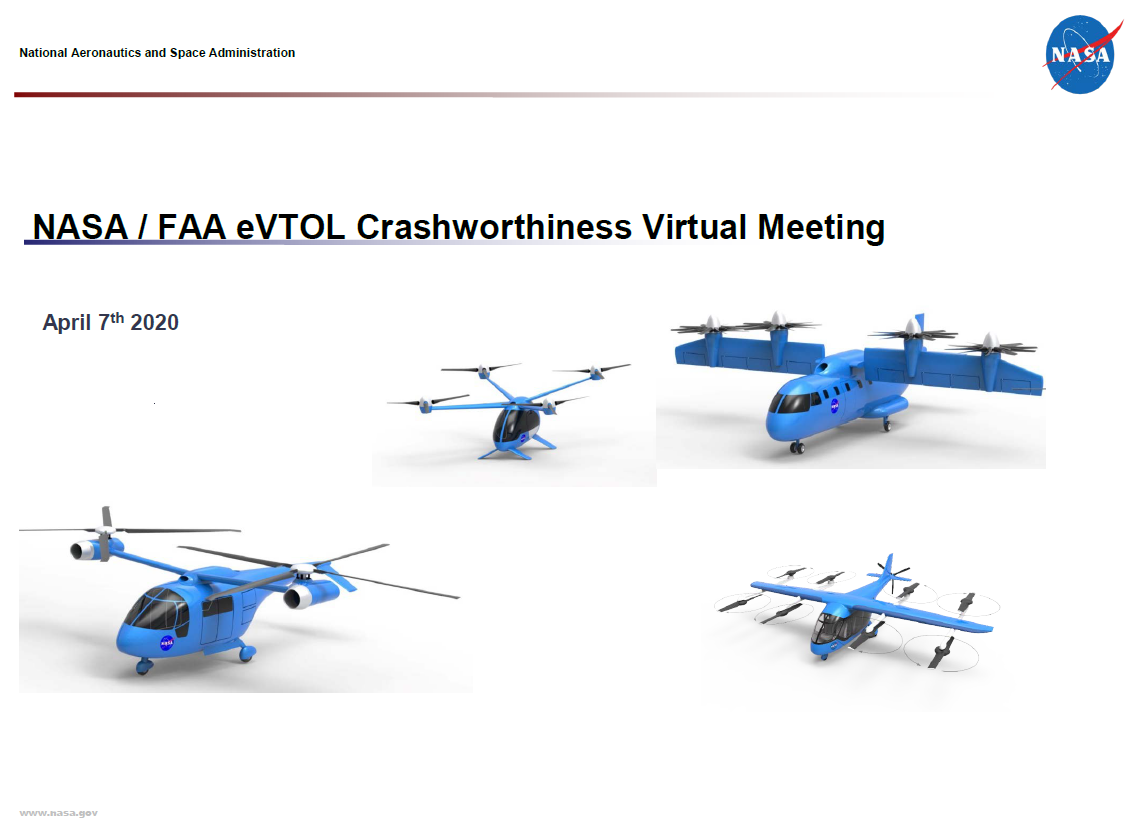
Textron Inc. has announced it will eliminate its eAviation business unit, redistributing electric aircraft programs across its existing divisions in a strategic realignment that takes effect in early 2026. The move follows an August decision to pause development of its Nexus eVTOL aircraft, shelving plans for a first flight that had been on the 2025 agenda.
The dissolution is the latest in a string of setbacks across the advanced air mobility sector, and it carries specific implications for rural communities watching this space.
What Happened
Textron eAviation was created to consolidate the company’s electric aviation efforts, including the Nexus eVTOL program and the Pipistrel line of light electric aircraft acquired in 2022.
On August 27, 2025, Textron eAviation president and CEO Kriya Shortt confirmed to Aviation International News that the Nexus eVTOL’s first flight would no longer take place in 2025. Development operations in Wichita were paused.
By October 18, Textron went further: the entire eAviation division would be dissolved. Pipistrel’s existing product line and electric aircraft technologies will be absorbed into Textron Aviation and other business segments. The future of the Nexus eVTOL program remains uncertain.
A Pattern, Not an Anomaly
Textron’s retreat does not exist in isolation. The advanced air mobility sector is undergoing a rapid consolidation:
- Lilium filed for insolvency in October 2024 after failing to secure government loan guarantees, then attempted a restructuring that remains fragile
- Volocopter filed for insolvency in late December 2024, with restructuring efforts underway
- Eviation, the Israeli electric aircraft developer, has scaled back operations
- Airbus and Rolls-Royce Electrical have also stepped back from AAM commitments
The companies that remain standing and advancing – Joby Aviation, Archer Aviation, and Beta Technologies – are now clearly separated from the pack in terms of flight testing progress and certification timelines.
What This Means for Rural Communities
Rural communities exploring AAM partnerships face a practical question: which companies will still be here in five years?
Back the survivors. Joby, Archer, and Beta have all demonstrated conforming or near-conforming aircraft, secured government contracts, and maintained funding. These are the companies most likely to deliver operational service. Rural planners building AAM into their transportation strategies should prioritize partnerships with companies that have demonstrated staying power.
Pipistrel survives – and that matters. Textron is not abandoning Pipistrel’s existing light electric aircraft. These are among the most accessible electric aviation products on the market today, and they operate from the kind of small airfields common in rural areas. The product line continues under Textron Aviation’s umbrella.
The shakeout is healthy. Consolidation is uncomfortable, but it concentrates investment and talent into viable programs. Fewer companies chasing the same goal means faster progress from the ones that remain.
Don’t over-commit to a single OEM. Any rural community or regional airport investing in AAM infrastructure should ensure their plans are platform-agnostic. Design vertiports and charging systems that can serve multiple aircraft types. Avoid exclusive partnerships with companies whose future is uncertain.
What to Watch
- Textron Aviation’s integration of Pipistrel in early 2026 – will they expand or contract the electric product line?
- Nexus eVTOL status – Textron has not officially cancelled the program, but the path forward is unclear
- Continued consolidation across the sector. More exits are likely before the first certified eVTOL enters commercial service.
The Bottom Line
The AAM industry is separating into winners and casualties. Textron’s decision to dissolve eAviation is a rational response to a market that rewards focus and punishes fragmentation. For rural communities, the lesson is straightforward: engage with the sector, but engage with your eyes open. The companies building the future of rural air mobility are the ones still flying.
Textron Inc. is headquartered in Providence, Rhode Island. The eAviation dissolution was announced October 18, 2025.