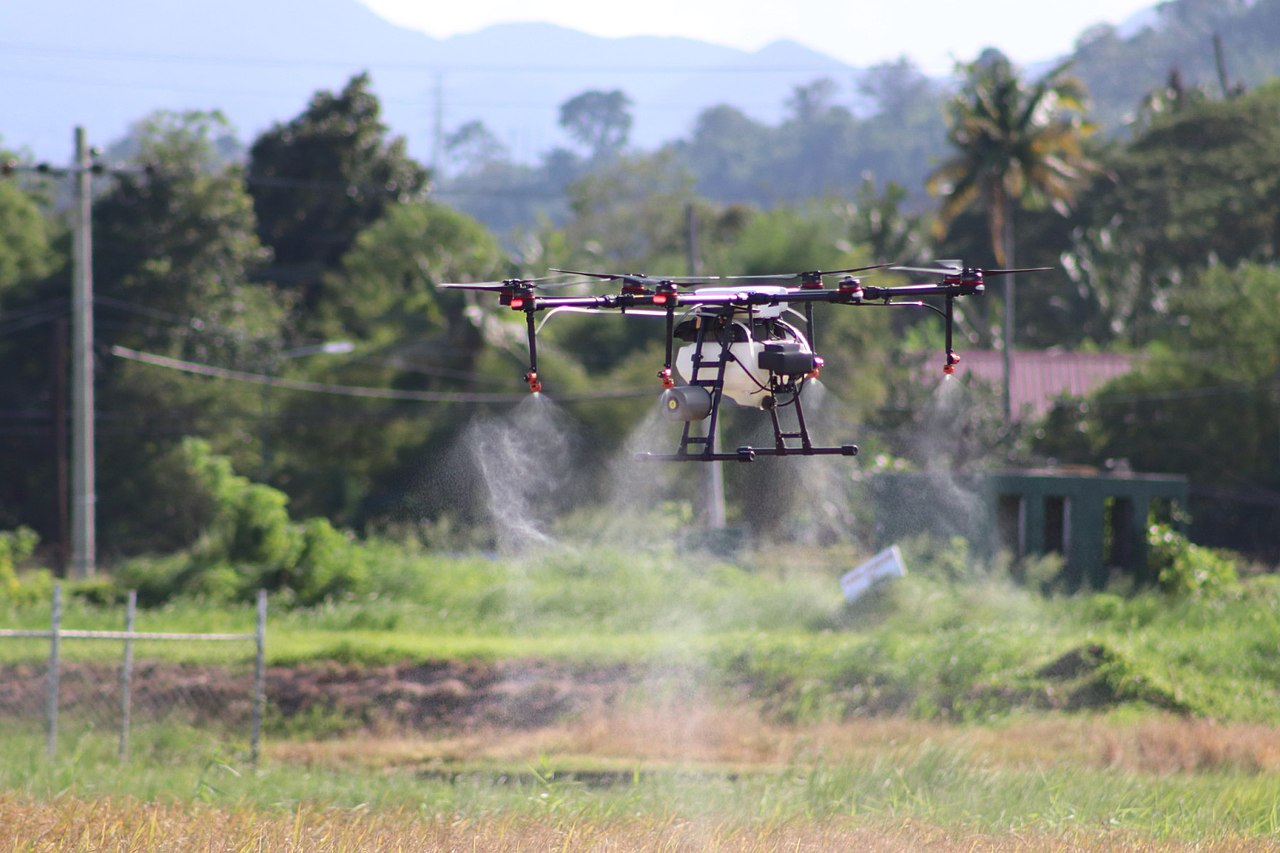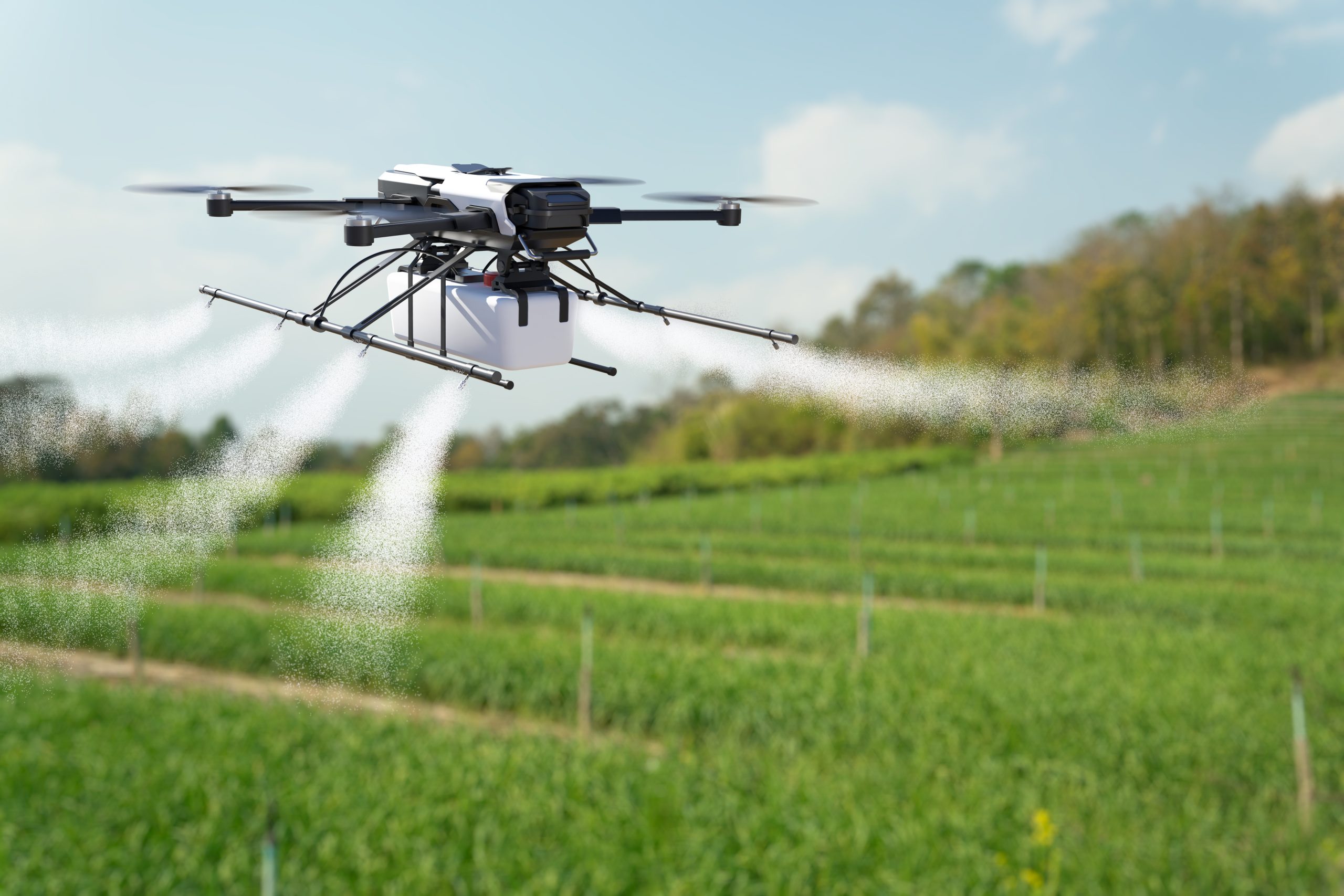
Drones are transforming agriculture. From crop scouting and field mapping to precision spraying and livestock monitoring, unmanned aircraft are becoming as essential to modern farming as GPS-guided tractors. But the regulatory landscape for agricultural drones remains complex – a patchwork of federal certifications, state licenses, and operational restrictions that can trip up even experienced operators.
This guide breaks down what you actually need to fly an agricultural drone legally in the United States in 2026.
The Federal Foundation: FAA Part 107
Every commercial drone operation in the U.S. starts with Part 107 – the FAA’s small UAS rule. To fly a drone commercially (which includes any agricultural use), you need:
- Remote Pilot Certificate. Pass the FAA’s Part 107 knowledge test (or hold a current pilot certificate and complete a Part 107 training course). The test covers airspace, weather, regulations, and operations. It costs $175 and must be renewed every 24 calendar months.
- Drone registration. All drones flown commercially must be registered with the FAA. Registration costs $5 and lasts three years.
- Remote ID compliance. As of March 2024, all drones operating under Part 107 must broadcast Remote ID – either through built-in equipment or an attached broadcast module.
Part 107 covers the basics: you can fly during daylight, below 400 feet, within visual line of sight, and not directly over non-participating people (with some exceptions via updated rules). For many agricultural applications – field mapping, crop health assessment, irrigation monitoring – Part 107 alone is sufficient.
When Spraying Gets Involved: Part 137 and Section 107.36
The regulatory picture gets more complex when drones carry and dispense substances – herbicides, pesticides, fertilizers, or seeds. This is where most agricultural operators run into additional requirements.
Part 137 – Agricultural Aircraft Operator Certificate (AAOC). The FAA requires any aircraft dispensing chemicals or agricultural products to be operated under a Part 137 certificate. Originally written for manned crop dusters, Part 137 now applies to drones performing the same function. To get an AAOC, you need:
- A designated supervisor with commercial or airline transport pilot experience (or equivalent UAS experience)
- Knowledge of relevant agricultural aviation operations
- Demonstrated ability to properly load, handle, and dispense the intended materials
Section 107.36 exemption. Part 107 prohibits carrying hazardous materials. Since many agricultural chemicals are classified as hazardous, spray drone operators need an FAA exemption from this rule. The exemption process requires submitting a petition to the FAA, documenting your safety procedures, and demonstrating that your operations will maintain an equivalent level of safety.
Section 44807 exemption (for heavy drones). Part 107 covers drones weighing less than 55 pounds at takeoff. Many agricultural spray drones – especially the larger Chinese-made models from DJI (Agras T40, T50) and others – exceed 55 pounds when loaded with spray solution. Operating these heavier drones requires a Section 44807 exemption, which is a separate FAA petition with additional safety documentation.
State-Level Requirements
Federal certification is only half the picture. Agricultural drone spraying also falls under state pesticide application laws, which vary significantly:
Pesticide applicator license. Every state requires anyone who applies restricted-use pesticides to hold a state-issued commercial pesticide applicator license. The licensing process typically involves:
- Completing state-approved training
- Passing written exams covering pest identification, chemical handling, safety, and environmental protection
- Meeting continuing education requirements for renewal
Some states have created specific drone applicator categories. Others classify drone spraying under their existing aerial application category. A few states require a separate “drone operator” endorsement on top of the pesticide applicator license.
State registration. Some states require drone operators to register with the state department of agriculture or transportation in addition to FAA registration.
Buffer zones and spray drift. States may impose specific setback requirements from sensitive areas (water bodies, organic farms, schools, residences) that go beyond EPA label requirements. Know your state’s rules before planning spray routes.
Key states with active ag drone programs: Kansas, Louisiana, Texas, Florida, and Iowa have been among the most proactive in establishing clear regulatory pathways for agricultural drone spraying.
The Practical Licensing Stack
Here’s the full list of what a commercial agricultural spray drone operator needs:
- FAA Part 107 Remote Pilot Certificate
- FAA drone registration
- Remote ID compliance
- FAA Part 137 Agricultural Aircraft Operator Certificate
- FAA Section 107.36 exemption (for hazardous materials)
- FAA Section 44807 exemption (if drone exceeds 55 lbs loaded)
- State commercial pesticide applicator license
- State drone operator registration (where required)
- Liability insurance (not legally required in all states, but practically essential)
Costs and Timeline
Getting fully licensed is neither instant nor cheap:
- Part 107 test and certificate: ~$175 plus study materials
- Drone registration: $5
- Part 137 AAOC: no direct fee, but documentation and supervision requirements have costs
- Section 107.36 petition: no fee, but typically 60-120 days for FAA review
- Section 44807 petition: no fee, 90-180 days typical review
- State pesticide license: $50-300 depending on state, plus training costs
- Insurance: $1,000-5,000/year depending on coverage and operation size
Total timeline from zero to fully operational: 4 to 8 months, depending on FAA processing times and state licensing schedules.
What’s Changing: Part 108 and the BVLOS Opportunity
The coming Part 108 BVLOS rule (expected mid-2026) will be transformative for agricultural drone operations. Currently, the line-of-sight requirement means operators must reposition frequently on large farms or use visual observers spaced along the flight path. BVLOS authorization will allow a single operator to manage drone flights across an entire farm from one location.
For agricultural operations, this means:
- Dramatically more efficient field coverage
- Lower labor costs per acre
- Ability to spray at optimal times (early morning, late evening) with less crew
- Automated flight planning across entire properties
Practical Recommendations
For farmers considering drone spraying:
- Start with a Part 107 certificate even if you plan to hire contractors. Understanding the rules makes you a better customer.
- Check whether your state allows owner-operators to spray their own property under a reduced licensing path. Some states (like Louisiana) have provisions for farmers who own and operate drones solely on their own land.
- Get quotes from licensed commercial applicators. For many farmers, hiring out is more cost-effective than building an in-house drone operation.
For operators building a spray drone business:
- Get your licensing stack in order before buying equipment. The certifications take months; the drone ships in days.
- Join your state’s agricultural aviation association. These organizations provide training, insurance resources, and advocacy.
- Budget for insurance from day one. Operating without coverage is a business-ending risk.
- Watch for Part 108. When the BVLOS rule finalizes, early adopters with compliant equipment will have a competitive advantage.
For county extension agents and farm advisors:
- Become the local resource for ag drone regulations. Your farming community will have questions, and clear guidance prevents costly mistakes.
- Connect farmers with licensed operators. A directory of certified spray drone services in your area is a high-value resource.
Agricultural drone technology is ready. The regulations, while complex, are navigable. And with Part 108 on the horizon, the operational ceiling is about to rise dramatically. The operators and farming communities that invest in compliance now will be positioned to move fastest when the new rules arrive.