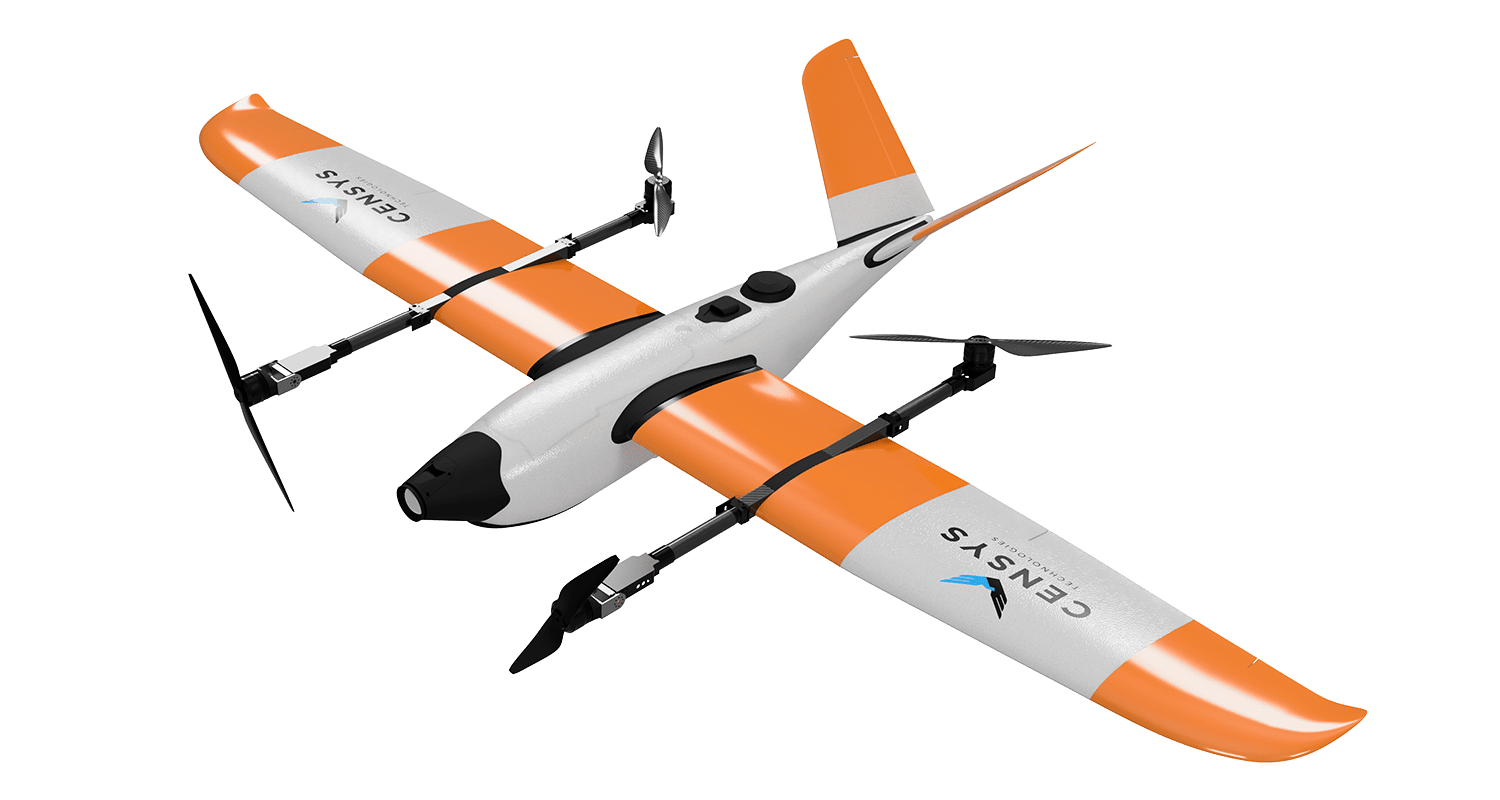
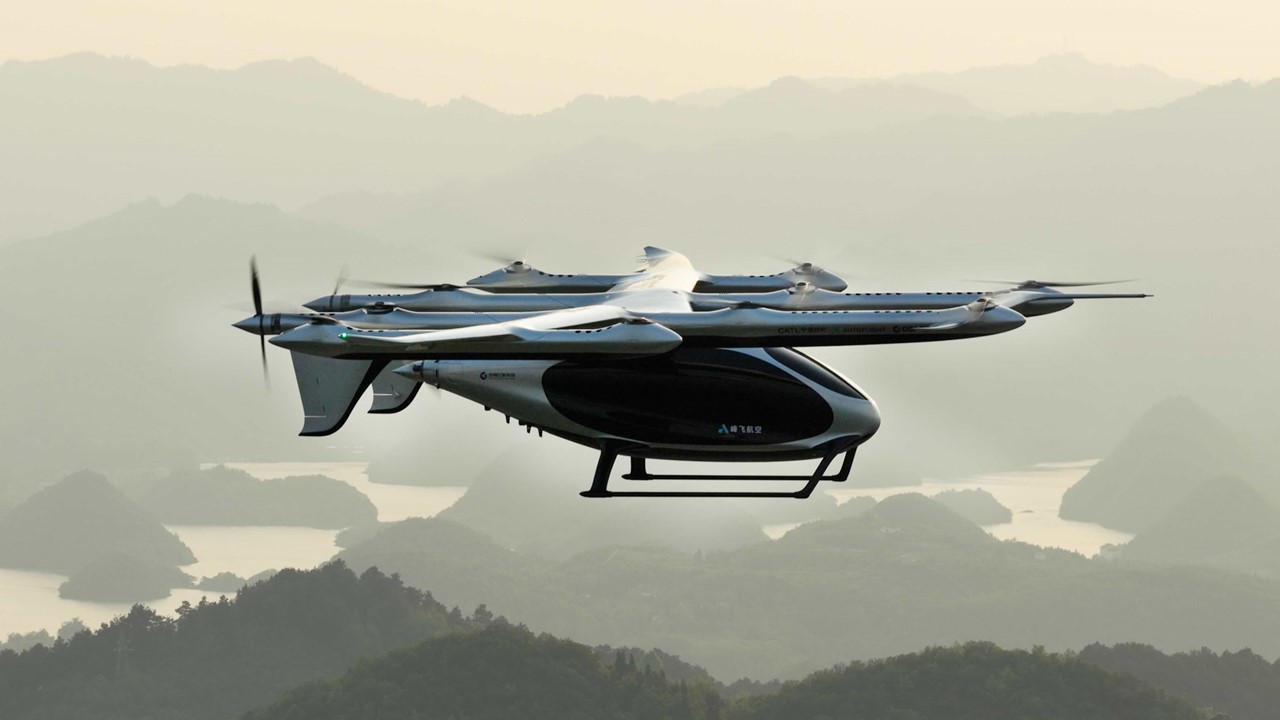
In a significant step for autonomous aviation, AutoFlight recently concluded a successful delivery trial using its 2-ton-class eVTOL aircraft. The automated cargo flight spanned an impressive 120 kilometers in China, demonstrating the potential for electric Vertical Take-Off and Landing (eVTOL) aircraft in long-range, autonomous logistics. Following the aerial transit, the shipment was seamlessly transferred to rail for its onward journey to Shanghai, highlighting a multimodal approach to cargo transportation.
This trial offers a compelling glimpse into the future of logistics, with profound implications for U.S. rural communities. Today, many rural areas grapple with significant logistical challenges: vast distances, limited infrastructure, and high transportation costs. AutoFlight’s success suggests that autonomous eVTOLs could revolutionize how goods reach these underserved regions.
Imagine delivering essential supplies, from vital medications to critical farming equipment, directly to remote farms or communities cut off by geography or poor road conditions. This technology could dramatically reduce delivery times, lower costs for businesses and consumers, and bolster local economies by enabling new distribution models. Furthermore, it could support emergency response efforts, allowing for rapid deployment of aid in disaster-stricken rural areas where traditional transport might be impossible.
While the AutoFlight trial took place in China, the underlying principles of efficient, autonomous, and multimodal cargo delivery are universally applicable. As eVTOL technology matures and regulatory frameworks evolve, similar trials could pave the way for a new era of connectivity and economic opportunity for the vast, often isolated, rural landscapes across America. This isn’t just about faster package delivery; it’s about building more resilient and accessible rural economies for the future.”