
From new FAA drone restrictions to Missouri medical deliveries, this week brought real movement on the policies and programs that will determine how rural communities access advanced air mobility.
The week ending May 9, 2026 delivered a dense mix of regulatory action, certification milestones, and on-the-ground drone programs – all with direct implications for rural America. The FAA dropped a major proposed rule that could restrict drone flights near critical infrastructure, Missouri launched a medical drone trial targeting underserved counties, and DJI’s latest report put a stark number on the global ag-drone gap the U.S. is struggling to close. Meanwhile, Joby’s Q1 earnings confirmed the eVTOL Integration Pilot Program is moving forward in up to 11 states, and the UK committed $63 million to the kind of drone and eVTOL research that could model rural logistics worldwide.
FAA Proposes Drone-Free Zones Near Critical Infrastructure – Rural Operators Should Pay Attention
The FAA published its long-awaited Section 2209 Notice of Proposed Rulemaking on May 5, establishing a framework for restricting drone flights around “critical infrastructure” sites. The proposed rule creates two tiers of Unmanned Aircraft Flight Restrictions (UAFRs): “Enhanced” zones that would ban most drone operations outright, and “Standard” zones that allow transit for operators flying under Parts 107, 108, 135, and 137 – provided they broadcast Remote ID and notify the facility.
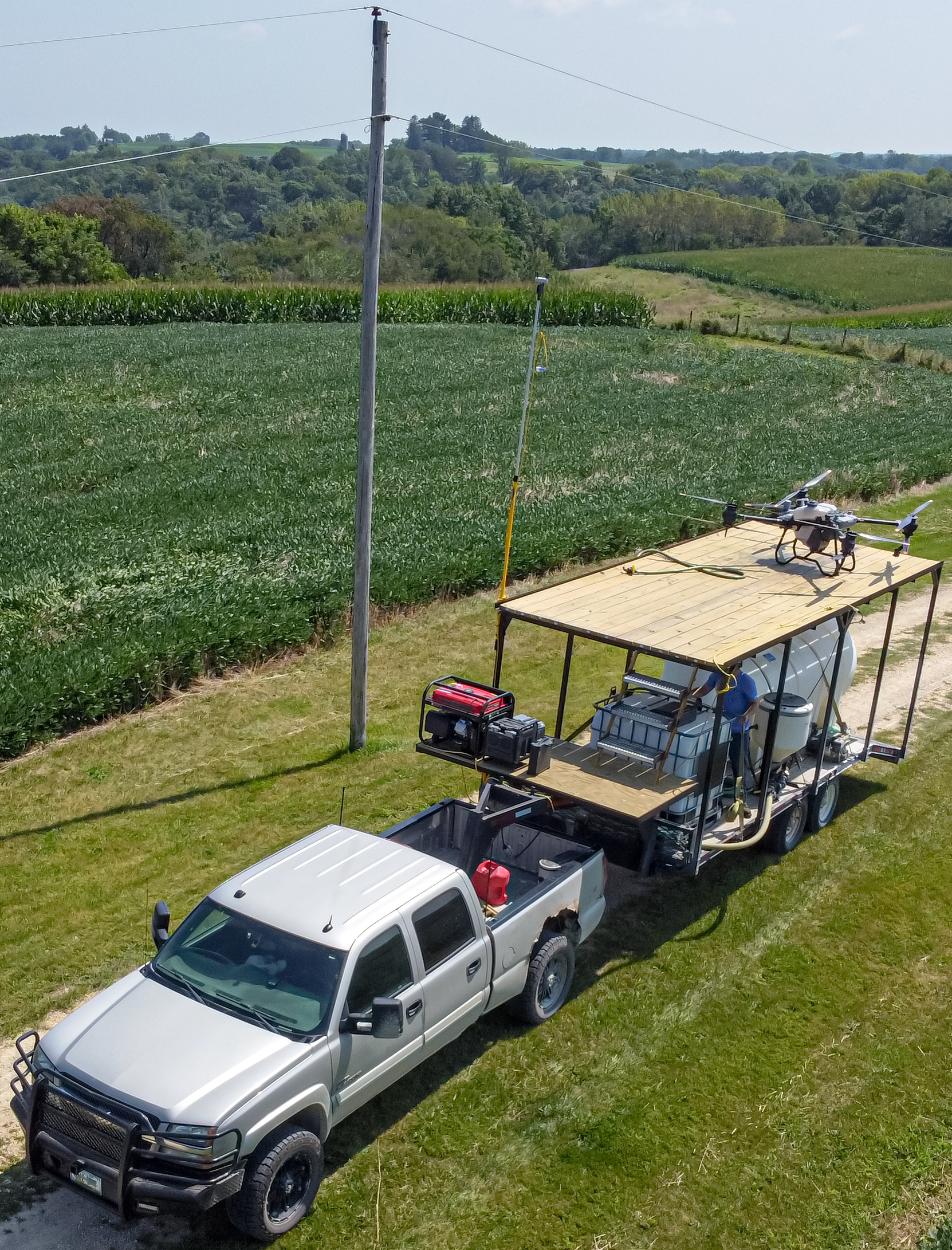
For rural operators, this matters immediately. Grain elevators, power plants, water treatment facilities, and oil and gas infrastructure are scattered across rural landscapes. Agricultural spray operators flying Part 137 missions would retain access to Standard UAFRs, but the notification requirement adds a new compliance layer. Comments are due July 6, and industry groups like AUVSI are already pushing to ensure Part 108 BVLOS operators maintain meaningful access rather than getting boxed out. If you operate drones commercially in rural areas, this is the comment period to engage with.
Missouri Launches Medical Drone Deliveries to Speed Rural Care
A new medical drone program in Missouri is targeting one of rural America’s most persistent problems: getting lab samples and blood products where they need to go, fast. Announced May 6, the program aims to deliver critical medical materials between hospitals and clinics in underserved counties where ground transport can mean hours of delay.
The program joins a growing roster of rural medical drone initiatives – from pharmacy deliveries in Georgia to emergency response in Pennsylvania’s Cambria County. What makes the Missouri effort notable is its focus on the logistics chain behind patient care, not just last-mile delivery. For rural communities watching hospital closures and pharmacy deserts expand, drone-based medical logistics could become essential infrastructure, not a novelty.
DJI Report: 600,000 Ag Drones Deployed Globally – U.S. Farmers Are Being Left Behind
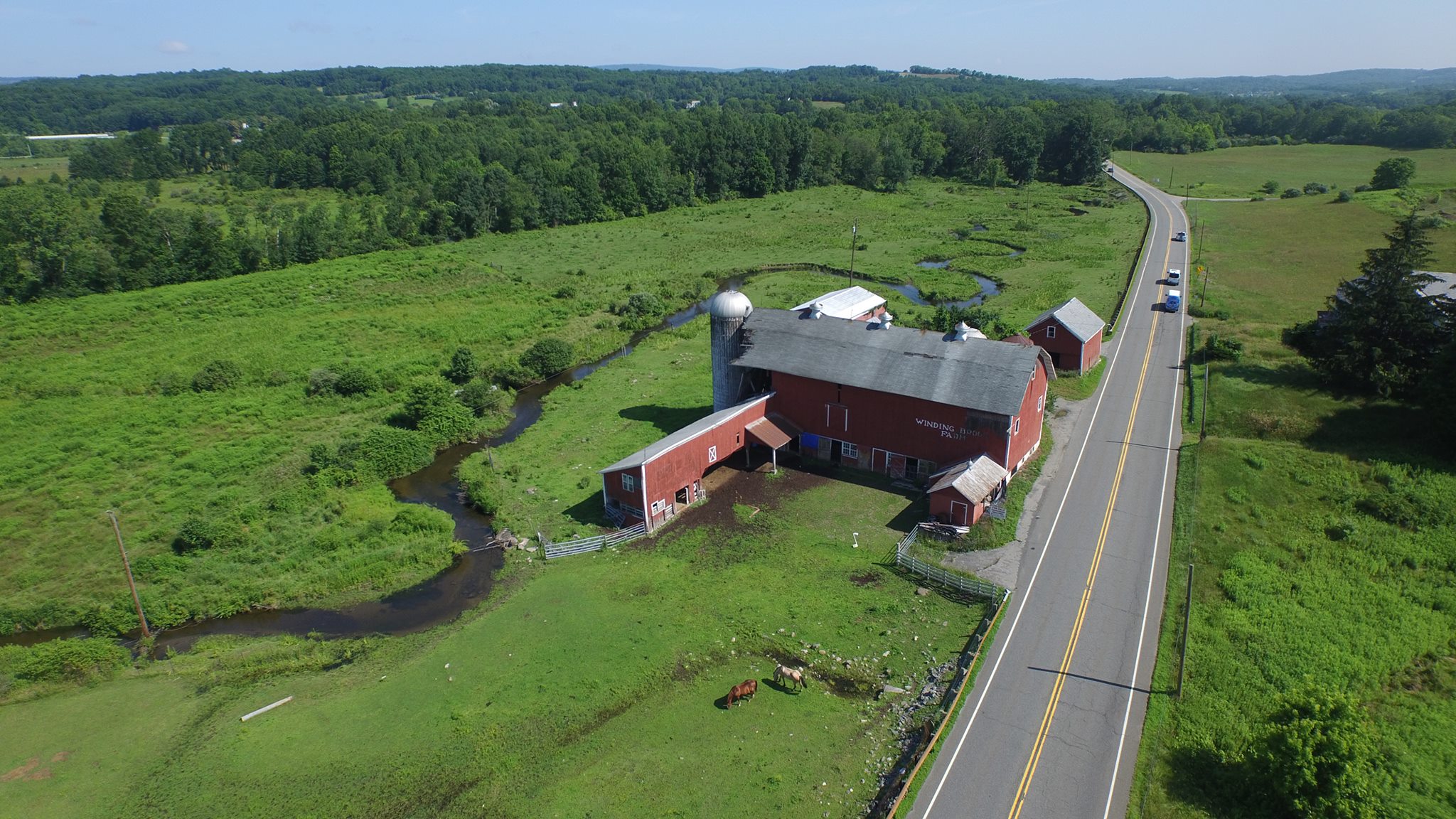
At Agrishow 2026 in Brazil, DJI released its latest Agricultural Drone Industry Insight Report, and the headline number is hard to ignore: more than 600,000 DJI agricultural drones are now operating across 100+ countries, flown by over 600,000 trained pilots. Farm drones are no longer experimental – they are standard equipment in much of the world.
The U.S., however, is not keeping pace. Ongoing restrictions on DJI products, combined with a slower regulatory framework for commercial agricultural drone operations, have left American farmers watching from the sidelines as competitors in Brazil, China, and Southeast Asia integrate drone spraying, mapping, and monitoring into daily operations. The contrast is sharpening: as Part 108 inches toward finalization and states like Kansas invest in ag-drone expansion, the window for the U.S. to catch up is narrowing.

Joby Q1 Earnings Confirm eIPP Moving Forward in Up to 11 States
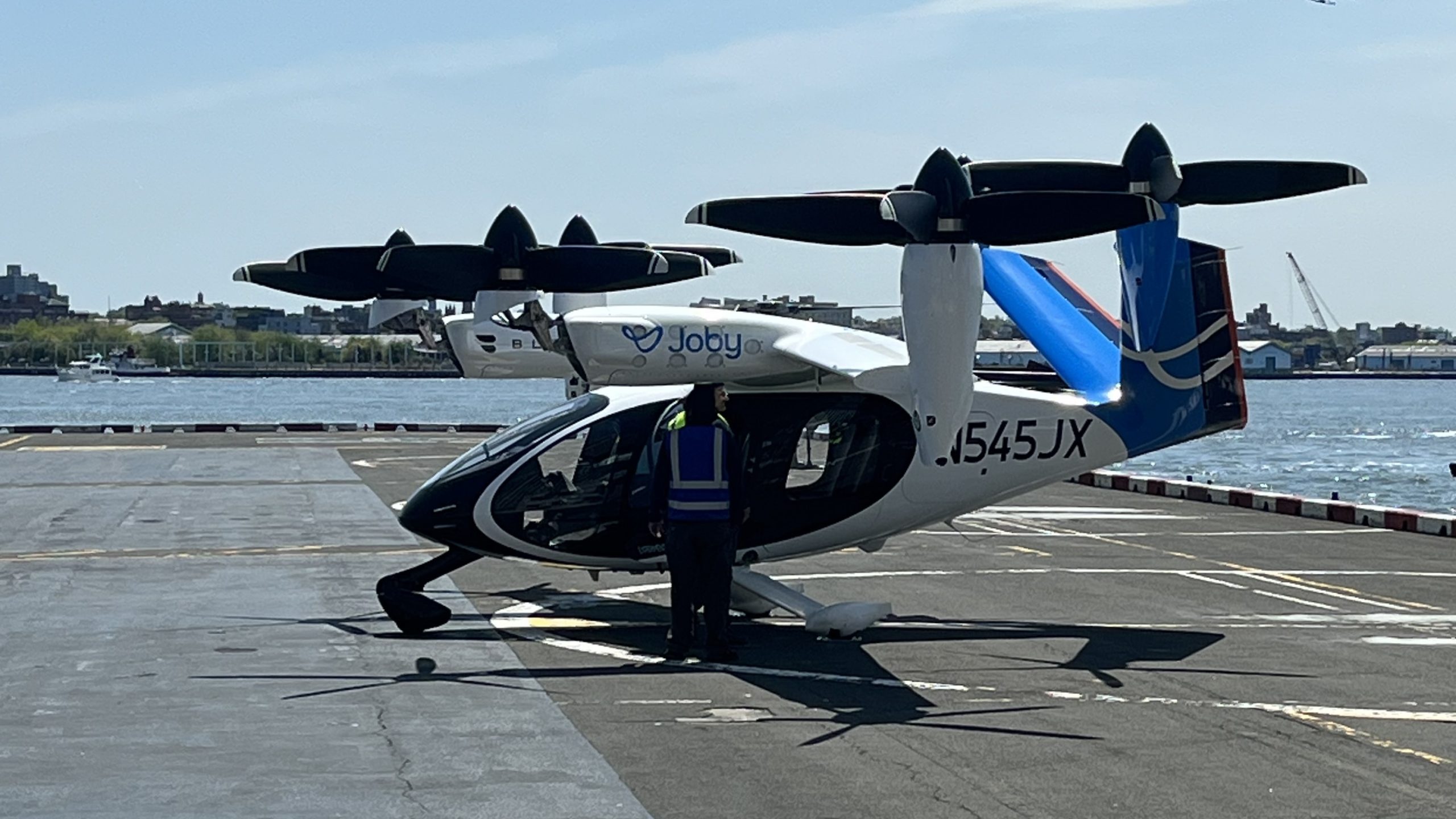
Joby Aviation’s Q1 2026 earnings, filed May 6, confirmed the company is advancing on multiple fronts. Revenue came in at $24 million, the FAA SR3 audit is complete, and the first FAA-conforming aircraft has entered Type Inspection Authorization testing. But the line that matters most for rural communities: Joby was selected under the White House-backed eVTOL Integration Pilot Program (eIPP), which may allow initial operations in up to 11 U.S. states this year.
While Joby’s demo flights in New York and San Francisco grab headlines, the eIPP’s real promise lies in the rural and regional routes it could unlock. The program was designed to test eVTOL operations across diverse environments – and rural corridors were explicitly included in the selection criteria. With $2.5 billion in cash reserves and a type certificate expected by late 2026, Joby’s path to commercialization has direct implications for communities that have been waiting decades for better air connectivity.
UK Commits $63 Million to Drone and eVTOL Innovation – A Model for Rural Logistics?
On May 6, the UK government announced a $63.3 million (£46.5 million) investment in drone and eVTOL technology, backing companies like Vertical Aerospace and Windracers. The initiative aims to cut regulatory red tape and accelerate commercial operations. Windracers is particularly relevant for the rural conversation: its ULTRA drone is already operational, delivering supplies in complex environments including remote and conflict zones.
For U.S. observers, the UK approach offers a useful contrast. While the FAA moves methodically through Part 108 rulemaking and Section 2209 restrictions, the UK is pairing public funding with regulatory reform to create a faster pathway for commercial drone logistics. Rural communities in both countries face similar challenges – limited ground infrastructure, long distances, and aging supply chains. The question is which regulatory model will get drones flying routine rural missions first.
What This Means for Rural Communities
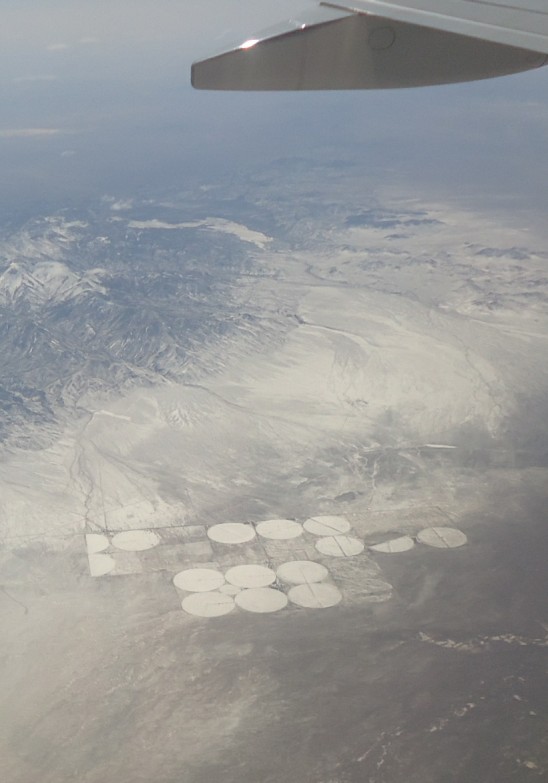
This week’s developments share a common thread: the regulatory and operational infrastructure for rural air mobility is being built right now, and the decisions being made will determine access for years to come.
The Section 2209 NPRM is the most time-sensitive item. Rural drone operators – particularly agricultural applicators and medical delivery programs – need to engage in the comment process before July 6 to ensure that “critical infrastructure” restrictions don’t inadvertently block the very operations rural areas need most. Missouri’s medical drone program and DJI’s global ag numbers both illustrate the demand signal: rural communities need these services, and the technology is ready.
On the eVTOL front, Joby’s Q1 results and the eIPP’s expansion into 11 states are moving the timeline closer to reality. Combined with the UK’s aggressive public investment in drone logistics, the global race to build rural air mobility networks is accelerating. The communities that position themselves now – through zoning, infrastructure planning, and workforce development – will be the ones that benefit first.
Related Reading on Rural Air Mobility News
- FAA Part 108: The BVLOS Rule That Could Unlock Rural Drone Operations – Our deep dive on what Part 108 means for commercial drone operators in rural areas
- Joby’s NYC Flights Grabbed the Headlines. The Real eIPP Story Is Playing Out in Rural America. – Why the eVTOL Integration Pilot Program matters more for rural routes than urban air taxis
- Agricultural Drone Regulations: What Farmers and Operators Need to Know in 2026 – A practical guide for farmers navigating the current regulatory landscape
- Reaching New Heights: Drones Deliver Hope to Rural Georgians in Pharmacy Deserts – How drone delivery is already bridging healthcare gaps in rural Georgia