The Federal Aviation Administration is on the verge of finalizing Part 108 – the most consequential drone regulation in a decade. When it lands (expected by mid-2026), this rule will create a standardized framework for Beyond Visual Line of Sight (BVLOS) drone operations, eliminating the need for individual waivers that have bottlenecked commercial drone use across rural America.
For rural communities, this isn’t abstract regulatory housekeeping. It’s the difference between one-off drone experiments and scalable, everyday services – medical deliveries, agricultural monitoring, infrastructure inspection, and cargo transport over distances measured in tens of miles, not hundreds of feet.
What BVLOS Means (and Why It’s Been So Hard)
Under current FAA rules (Part 107), commercial drone operators must keep their aircraft within visual line of sight at all times. That typically limits operations to a few thousand feet from the pilot – useful for real estate photography and roof inspections, but inadequate for the kinds of long-range missions that would transform rural logistics.
Operators who want to fly beyond visual line of sight today must apply for individual waivers from the FAA. The process is slow, expensive, and unpredictable. Each waiver is site-specific and operation-specific, meaning an operator who wins approval to fly a pipeline inspection route in Texas can’t use that same approval in Oklahoma. This waiver-by-waiver approach has effectively prevented BVLOS operations from scaling.
Part 108 changes that by creating a general set of rules under which qualifying aircraft and operators can conduct BVLOS flights without individual waivers.
What Part 108 Requires
Based on the Notice of Proposed Rulemaking (NPRM) published in mid-2025 and the comment period that closed in early 2026, Part 108 is expected to include:
Airworthiness acceptance. Drones operating under Part 108 will need to meet specific design and manufacturing standards – more rigorous than current Part 107 requirements but less burdensome than manned aircraft certification. This creates a middle tier of airworthiness suited to commercial UAS operations.
Detect and avoid capability. Aircraft must be equipped with systems that can detect other aircraft (both manned and unmanned) and maneuver to avoid collisions. The proposed rule requires drones to yield to all manned aircraft broadcasting position via ADS-B or equivalent equipment.
Remote pilot standards. Operators will need enhanced training and certification beyond the basic Part 107 Remote Pilot Certificate. The rule establishes requirements for ground control station operations and procedures for managing flights beyond the pilot’s direct visual contact.
Operational authorizations. While Part 108 eliminates individual waivers, it establishes categories of operation based on risk level – including factors like population density, airspace class, and whether the operation is over people. Rural operations in sparsely populated areas and uncontrolled airspace are expected to face the lightest requirements.
Security provisions. The rule includes cybersecurity and physical security requirements for the drone, its control link, and its ground systems.
Why This Matters for Rural America
Rural communities stand to benefit disproportionately from BVLOS, for a simple reason: the distances between points of interest are larger, and the airspace is less congested.
Consider the use cases:
Medical delivery. Rural hospitals and clinics often need to transport lab samples, blood products, medications, and medical supplies to facilities that may be 30 to 60 miles away. Ground transport can take hours on rural roads. A BVLOS-capable drone can cover that distance in minutes. Companies like DroneUp and blueflite have already demonstrated medical drone deliveries in pilot programs, but scaling requires Part 108.
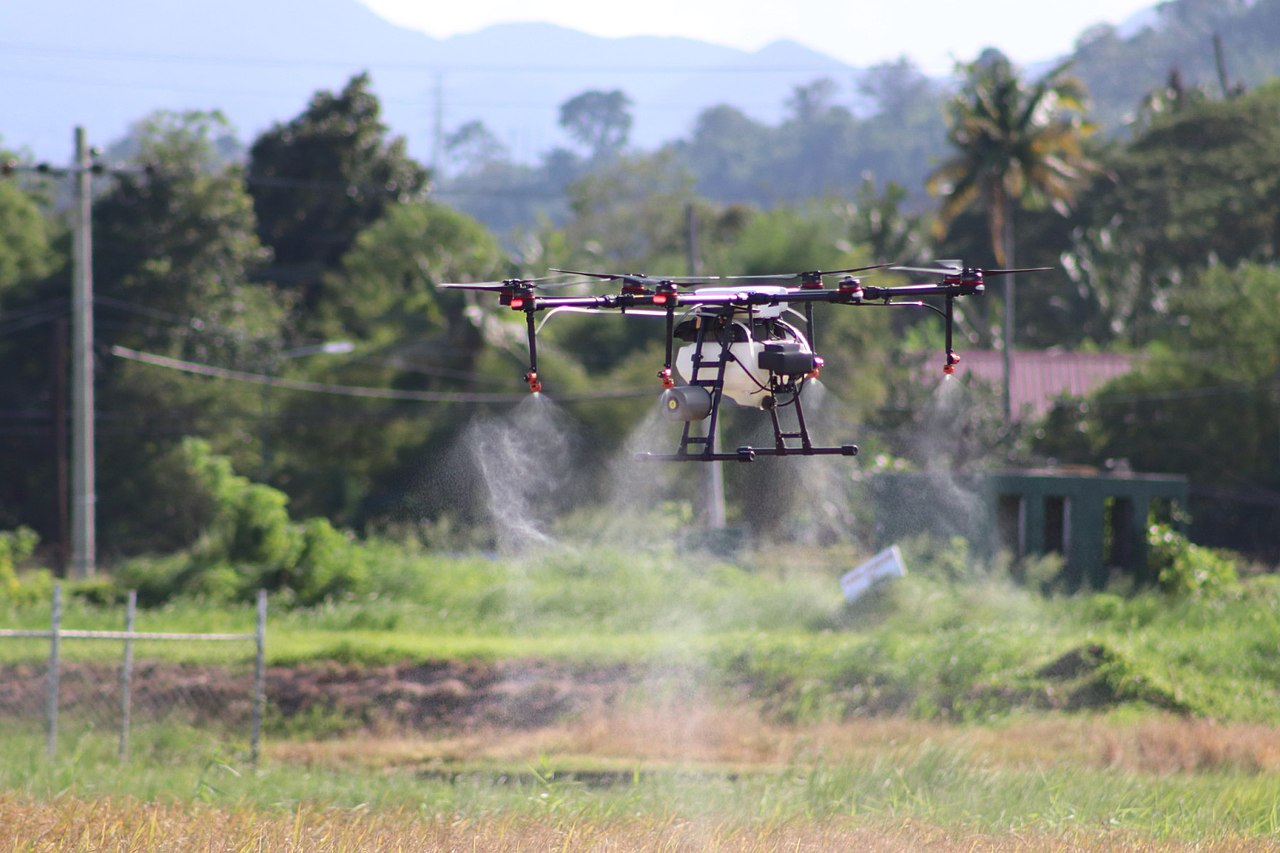
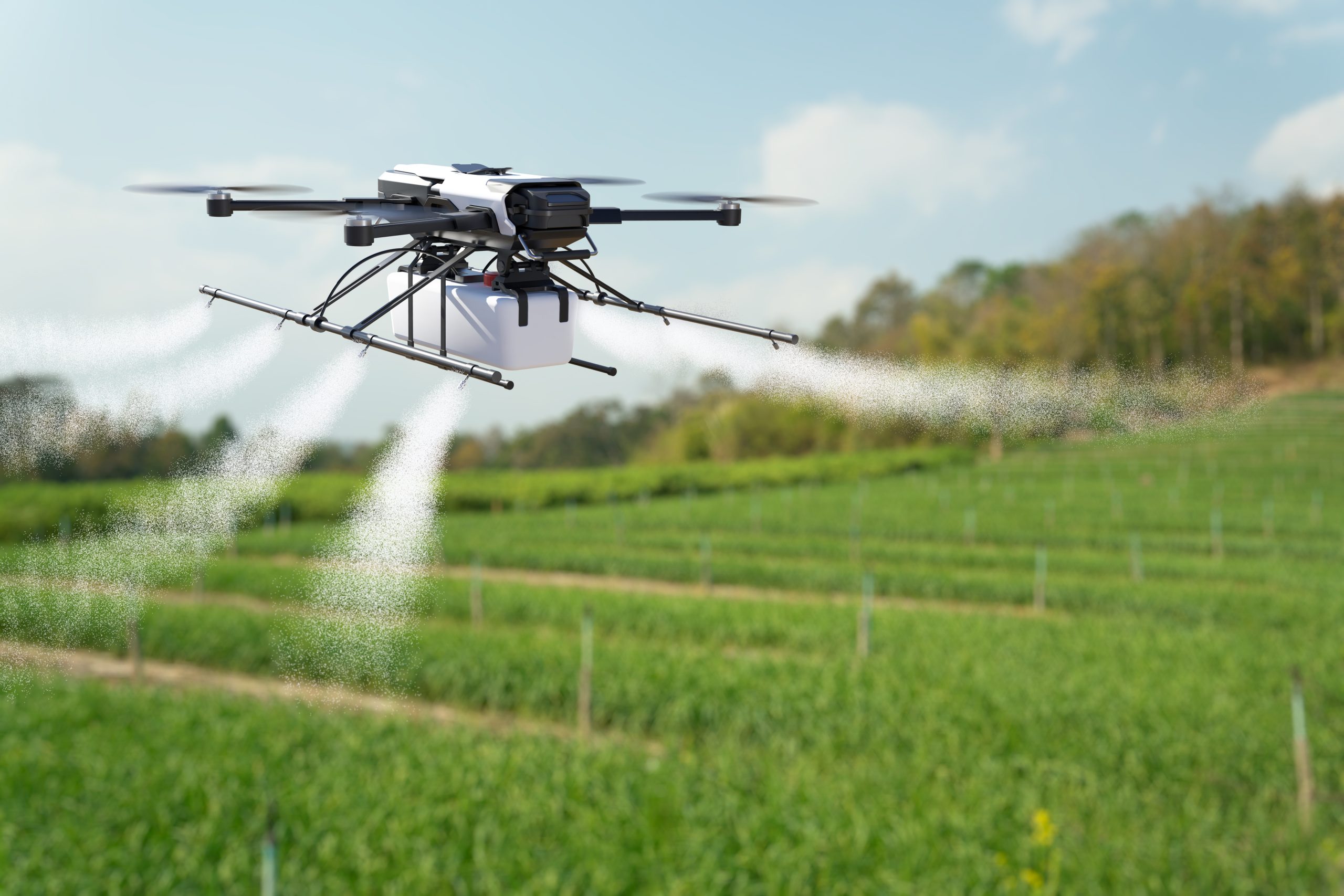
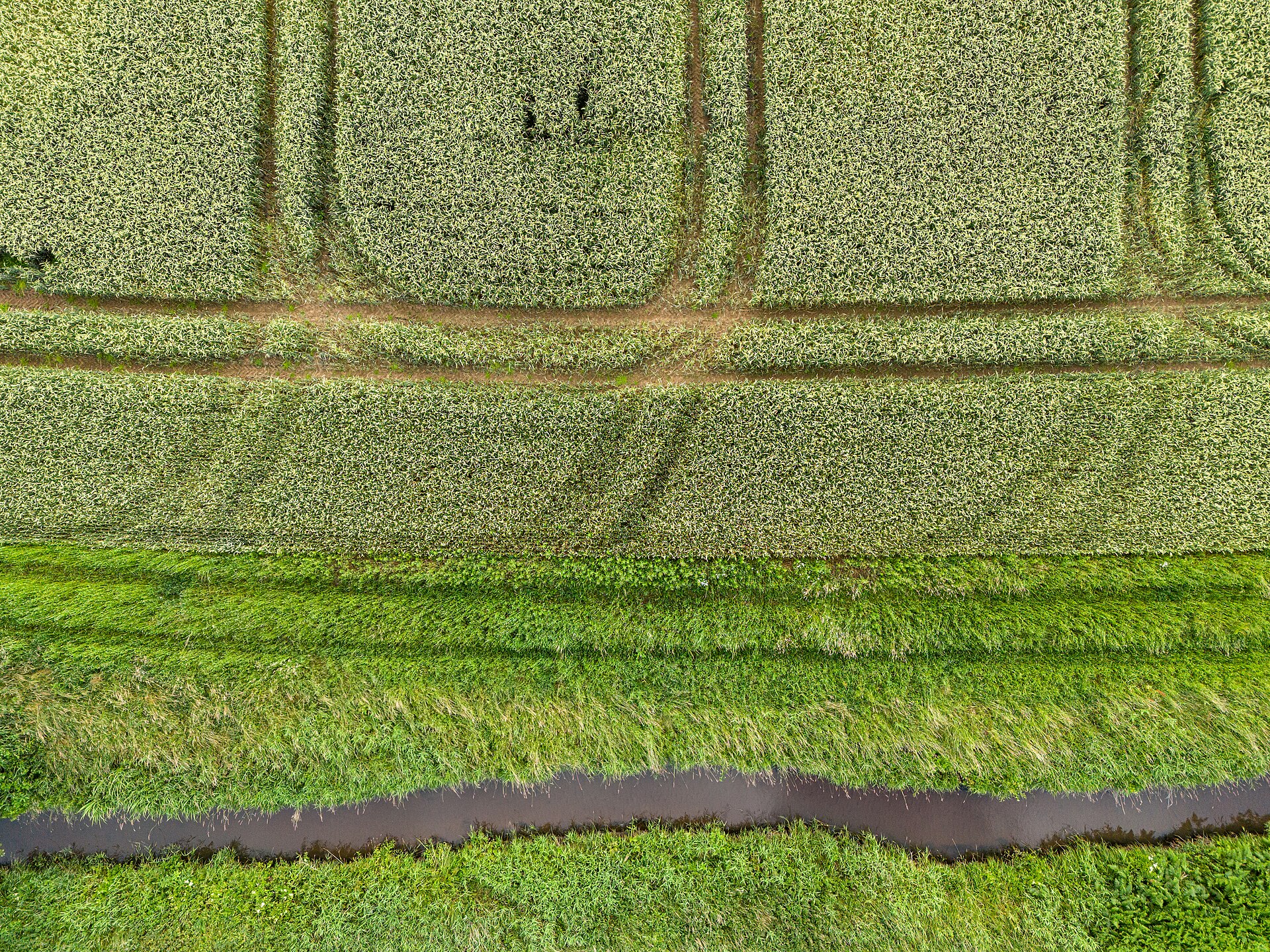
Agricultural operations. Precision agriculture drones can monitor crop health, spray fields, and assess irrigation systems. Current line-of-sight restrictions mean a farmer with a 2,000-acre operation needs multiple pilot stations or frequent repositioning. BVLOS allows a single operator to cover an entire farm from one location.
Infrastructure inspection. Pipelines, power lines, rail corridors, and bridges crisscross rural areas. BVLOS drones can inspect these assets more frequently and at lower cost than manned aircraft or ground crews, catching problems before they become failures.
Cargo transport. Autonomous cargo drones could provide regular delivery service to remote communities, connecting them to distribution networks without requiring road infrastructure upgrades.
The VANTIS Model
North Dakota’s VANTIS network offers a preview of what Part 108 could enable at scale. VANTIS is a state-funded ground-based radar and communications network designed to support BVLOS drone operations across the state. It provides the surveillance and communication infrastructure that drone operators need to fly safely beyond line of sight.
With Part 108 providing the regulatory framework and networks like VANTIS providing the infrastructure, the pieces are falling into place for routine long-range drone operations in rural areas.
Timeline and What to Expect
The FAA reopened the Part 108 comment period briefly in January 2026, closing it on February 11. Under the executive order timeline, the final rule should be published by approximately March to April 2026 – though regulatory timelines frequently slip.
When the final rule arrives, expect:
- An initial focus on lower-risk operations (rural, low-altitude, uncontrolled airspace)
- A ramp-up period as operators acquire compliant aircraft and training
- Gradual expansion to more complex environments as the framework proves itself
What Rural Leaders Should Do Now
Communities that want to benefit from BVLOS operations should start preparing:
- Identify use cases. What services would BVLOS drones improve in your area? Medical transport? Agricultural support? Infrastructure monitoring?
- Assess infrastructure. Do you have suitable launch and landing sites? Cellular or broadband connectivity for drone command-and-control links?
- Engage your state DOT. Several states are building AAM and UAS programs (see our state AAM plans roundup). Getting on their radar now could mean inclusion in early deployments.
- Connect with operators. Companies planning BVLOS services need community partners. Reaching out early positions your community as a willing host.
Part 108 won’t change rural America overnight. But it removes the single biggest regulatory barrier to drone-based services that rural communities desperately need. The communities that prepare now will be the first to benefit.