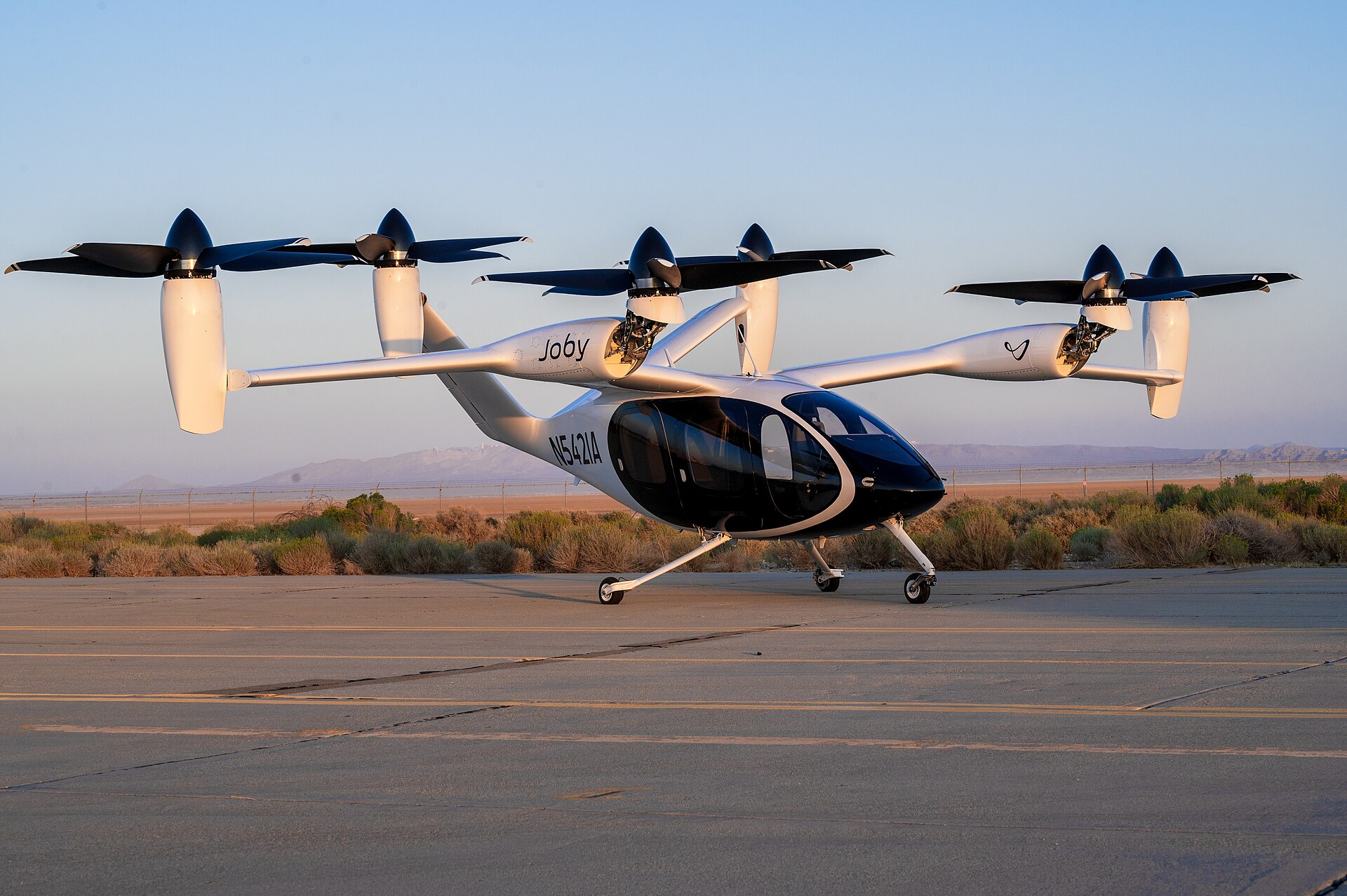

The Federal Aviation Administration and U.S. Department of Transportation have selected eight pilot projects spanning 26 states to test electric vertical takeoff and landing (eVTOL) aircraft and other advanced air mobility operations – and several explicitly target rural corridors.
Announced on March 9, 2026, the eVTOL Integration Pilot Program (eIPP) selections mark the most significant federal action to date toward integrating next-generation aircraft into the national airspace. The DOT said the public could begin seeing flights under the program by summer 2026.
The Eight Selected Projects
New York/New Jersey – Port Authority of NY & NJ
Partners: Archer, Beta, Electra, Joby
Scope: 12 operational concepts across New England, including eVTOL passenger operations at the Manhattan Heliport.
Texas – Texas Department of Transportation
Partners: Archer, Beta, Joby, Wisk
Scope: Regional flights connecting Dallas, Austin, San Antonio, and Houston. Multi-phase approach starting with cargo, then medical supply runs between rural facilities and urban medical centers, then passenger air taxis.
Utah – Multi-State Partnership (via 47G “Project Alta”)
Partners: Ampaire, Beta, Joby, and others
Scope: Spans four states across the Pacific Northwest, Rocky Mountains, and Oklahoma. Tests multiple aircraft types across mountain, desert, urban, and rural airspace.
Pennsylvania – NASAO AAM Multistate Collaborative
Partners: Beta, Electra, and others
Scope: 13 states. Focus on revitalizing regional flights, including service concepts similar to Essential Air Service routes that connect small communities to the national air network.
Louisiana – Gulf Operations
Partners: Beta, Elroy Air
Scope: Cargo and personnel transport for Gulf energy industry operations across Louisiana, Texas, and Mississippi.
Florida – Statewide Program
Partners: Archer, Beta, Electra, Joby
Scope: Three-phase program covering cargo delivery, passenger transportation, automation, and medical response.
North Carolina
Partners: Beta, Joby
Scope: Piloted medical and regional operations within NC, plus autonomous flight operations extending into Virginia.
Albuquerque, New Mexico – Reliable Robotics
Partners: Reliable Robotics (via subsidiary Reliable Airlines)
Scope: Autonomous Cessna Caravan cargo flights from Albuquerque International Sunport to Durango-La Plata County Airport (CO) and Santa Fe Regional Airport (NM) – serving the Four Corners region.
Why Rural Communities Should Pay Attention
This isn’t a program that happens to include rural areas. Several projects are built around rural connectivity:
- Texas Phase 2 is specifically designed to move medical supplies between rural facilities and urban medical centers in Austin and San Antonio
- The Albuquerque project targets small towns and rural communities in the Four Corners region via autonomous cargo – using existing airports with zero modifications required
- Utah’s Project Alta explicitly covers mountain, desert, and rural airspace across four states
- Pennsylvania’s 13-state collaborative models itself on Essential Air Service – the federal program that subsidizes flights to small communities that would otherwise lose air connectivity
- North Carolina focuses on medical and regional operations, the exact use cases rural communities need most
Beta Technologies: The Quiet Giant
One company name appears more than any other in the selections: Beta Technologies was chosen for seven of the eight projects. The Burlington, Vermont-based company is developing the CX300, an electric conventional takeoff and landing (eCTOL) aircraft currently in type certification. Beta’s dominance in the eIPP signals strong confidence from both government and industry partners in its technology and operational readiness.
What Happens Next
The DOT received more than 30 proposals. A joint DOT-FAA technical review team evaluated submissions based on:
- Ability to accelerate AAM integration
- Breadth of proposed operations
- Potential regulatory value (data generation for future rules)
- Aircraft development experience
- Strength of industry, academic, and government partnerships
Selected projects must begin operations within 90 days. That puts the first flights on track for summer 2026 – barely three months away.
What This Means
The eIPP is the bridge between testing and regulation. Every flight generates data the FAA will use to write permanent rules governing how these aircraft operate in U.S. airspace. The projects selected will shape the regulatory framework for decades.
For rural communities, the message is clear: advanced air mobility is not an urban-only story. Medical logistics, cargo connectivity, and regional air service are all represented in these selections. The communities that engage early – offering airfields, workforce, and local partnerships – will be first in line when permanent operations begin.
—
The eIPP was established by the White House and FAA in December 2025. The DOT announced selections on March 9, 2026. Program details: DOT eIPP Announcement.