Kansas has committed $3 million to expand agricultural drone operations across the state, building on a track record that includes the first long-range beyond visual line of sight (BVLOS) medical supply delivery using a UAV on August 12, 2025.
The investment, made in partnership with the Kansas Department of Transportation’s (KDOT) Division of Aviation, positions the state as a leader in applying drone technology to the agricultural and healthcare challenges that define rural life.
What the Investment Covers
The $3 million is directed at expanding the infrastructure and regulatory framework needed for commercial drone operations at agricultural scale. While the state has not published a detailed line-item breakdown, the investment builds on Kansas’s existing strengths:
- BVLOS operations. Kansas completed its first long-range BVLOS medical supply delivery in August 2025, a milestone that required coordinating with the FAA, KDOT, and healthcare partners. The state is positioning itself to host routine BVLOS operations as the FAA’s proposed Part 108 rule moves toward finalization.
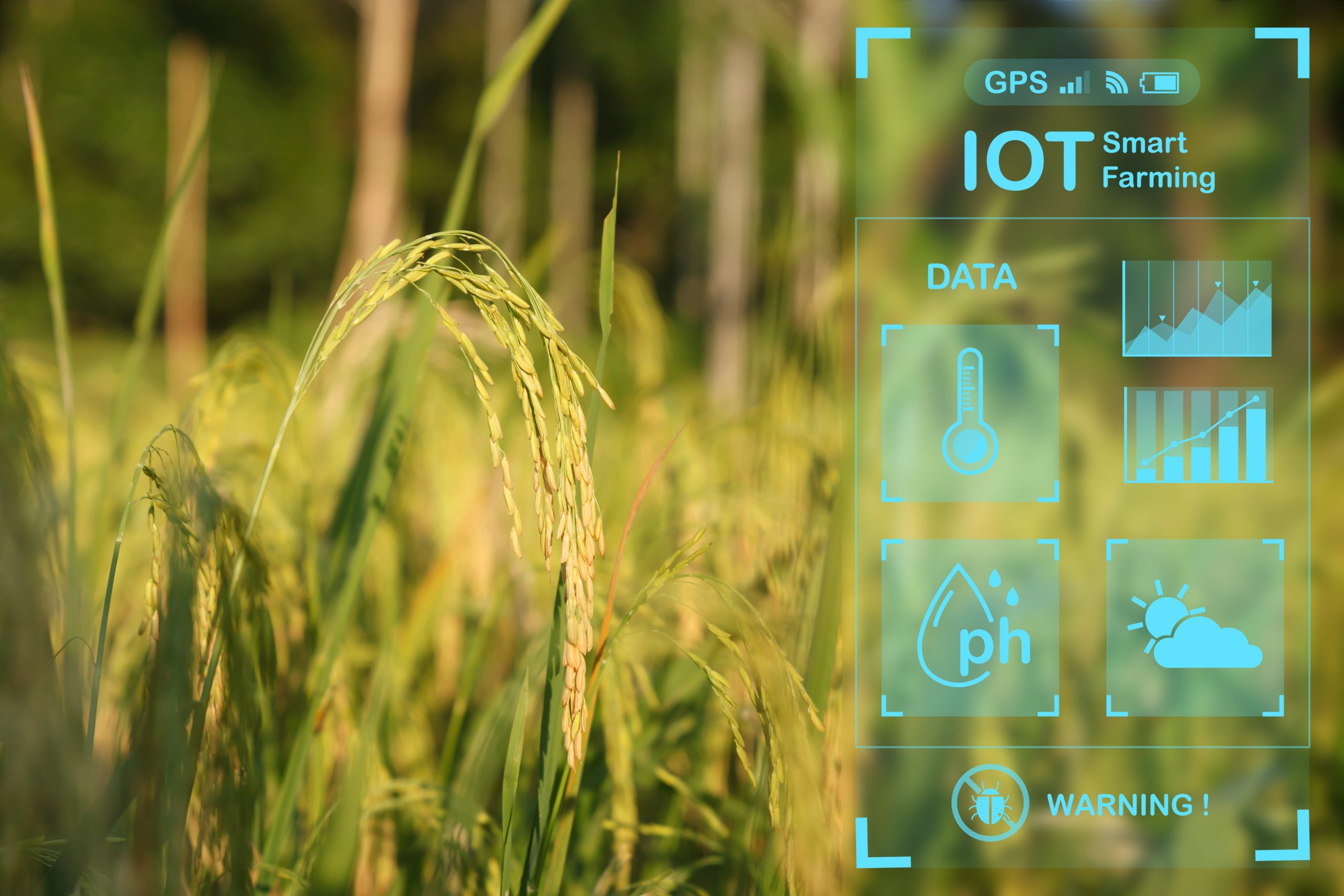
- Agricultural monitoring. Kansas is the nation’s top wheat producer and a major producer of corn, sorghum, and soybeans. Drone-based crop monitoring using near-infrared and multispectral sensors can detect disease, water stress, and nutrient deficiency weeks before they become visible to the human eye.
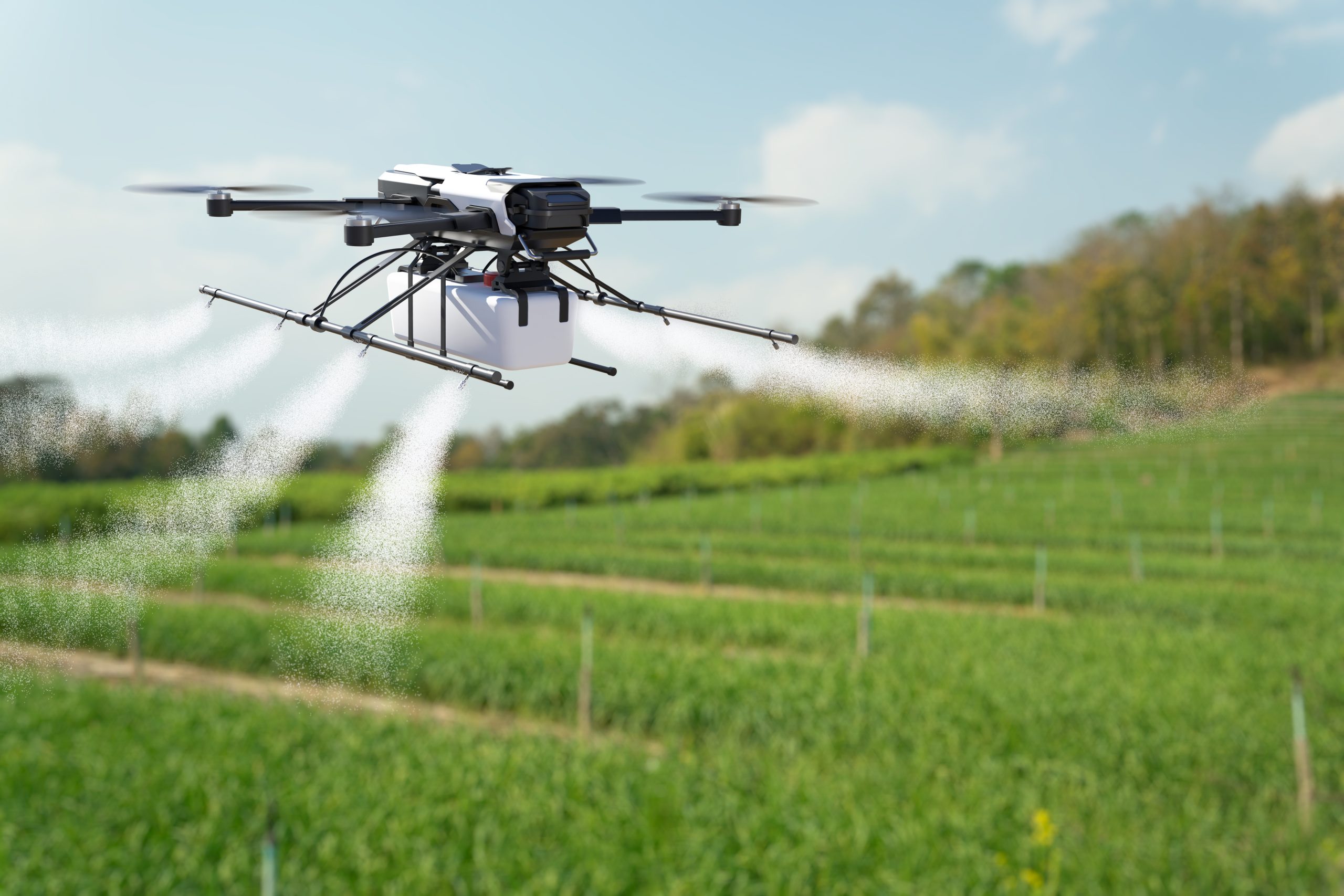
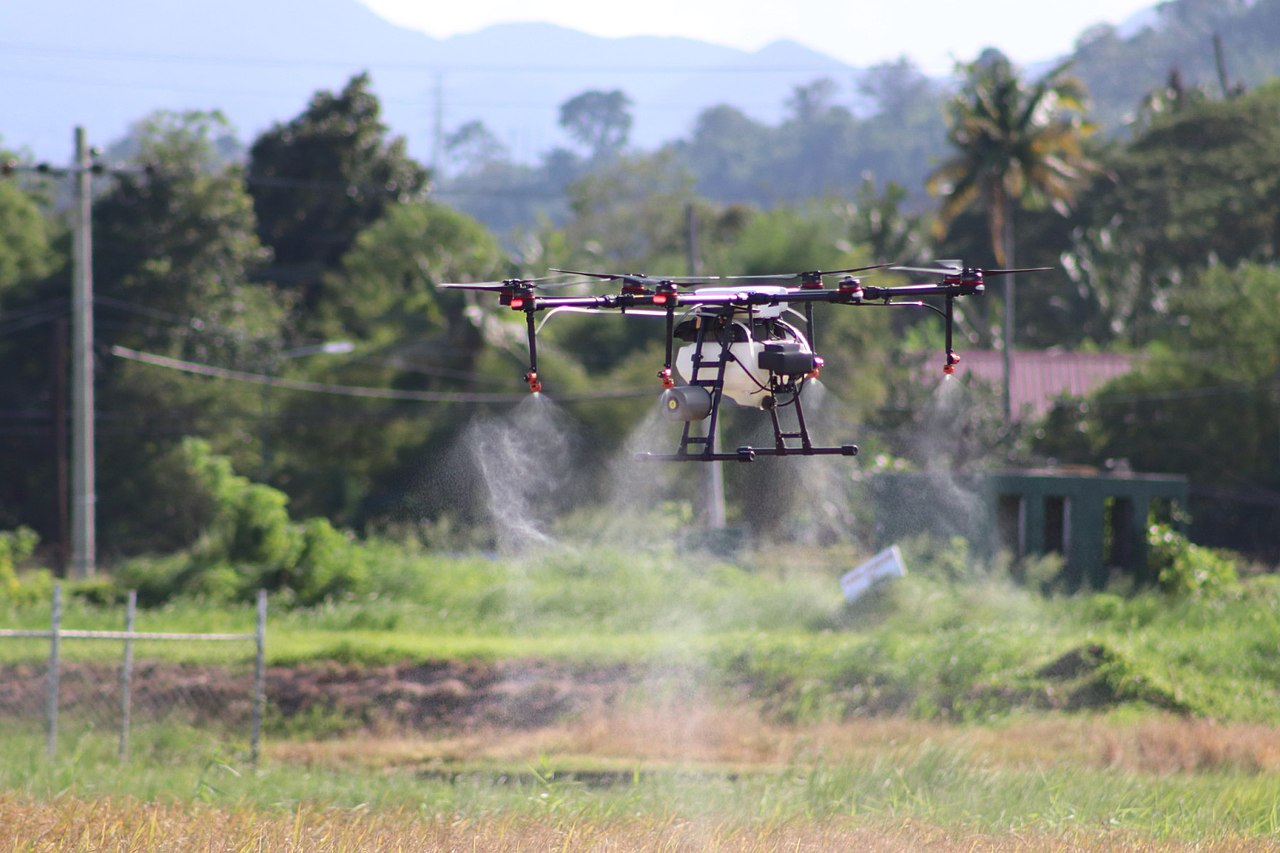
- Precision spraying. Agricultural drone spraying systems can cover up to 40 acres per hour, outperforming traditional ground-based methods by roughly 70%. For Kansas’s vast acreage, the efficiency gains are substantial.
The FAA Regulatory Tailwind
Kansas’s investment aligns with a broader federal shift toward enabling routine BVLOS operations:
The FAA proposed a new rule in 2025 that would allow routine BVLOS flights under defined conditions, including operations below 400 feet, launches from approved sites, and mandatory detect-and-avoid capabilities. This proposed Part 108 rule, if finalized, would replace the current waiver-by-waiver approach that makes BVLOS operations slow and expensive to authorize.
Kansas’s early investment in BVLOS infrastructure means the state will be ready to scale operations as soon as Part 108 takes effect – a competitive advantage over states that have not built the regulatory relationships and operational track record.
Why This Matters for Rural Property Owners
For Kansas farmers and ranchers, drones are moving from novelty to necessity:
Scouting at scale. A single drone flight can survey hundreds of acres in an hour, providing georeferenced maps of crop health that guide targeted interventions. Farmers no longer need to walk fields or rely on satellite imagery with multi-day latency.
Reduced chemical use. Precision spraying applies herbicides, pesticides, and fertilizers only where needed, reducing input costs and environmental impact. Studies show precision drone spraying can cut chemical use by 30-50% compared to broadcast application.
Water management. Multispectral imaging reveals irrigation inefficiencies, drainage problems, and water stress patterns that are invisible from the ground. In a state where water rights and aquifer depletion are constant concerns, this data has real economic value.
Faster response to problems. When a pest outbreak or disease is detected, drone spraying can treat affected areas within hours rather than the days required to schedule a manned aerial applicator or ground crew.
Medical delivery as a bonus. The same BVLOS infrastructure that supports agricultural drones can enable medical supply delivery to rural clinics and hospitals. Kansas’s August 2025 delivery proved the concept. The $3 million investment helps build the network to make it routine.
What to Watch
- FAA Part 108 progress. The proposed rule’s finalization timeline will determine when Kansas can scale from waiver-based to routine BVLOS operations.
- 2026 growing season. Expect expanded drone monitoring and spraying deployments across Kansas agriculture.
- Other states following. Kansas’s investment and BVLOS track record position it as a model for other agricultural states considering similar programs.
The Bottom Line
Kansas is putting real money behind the proposition that drones are essential agricultural infrastructure, not just interesting technology. For the state’s farmers and rural communities, the $3 million investment accelerates a transition from experimental to operational – with medical delivery as an added benefit.
The Kansas Department of Transportation Division of Aviation oversees the state’s drone operations and BVLOS programs.