Reliable Robotics and the City of Albuquerque Aviation Department have been selected for the FAA’s eVTOL Integration Pilot Program to conduct autonomous air cargo operations across the Four Corners region – one of the most rural and underserved areas in the continental United States.
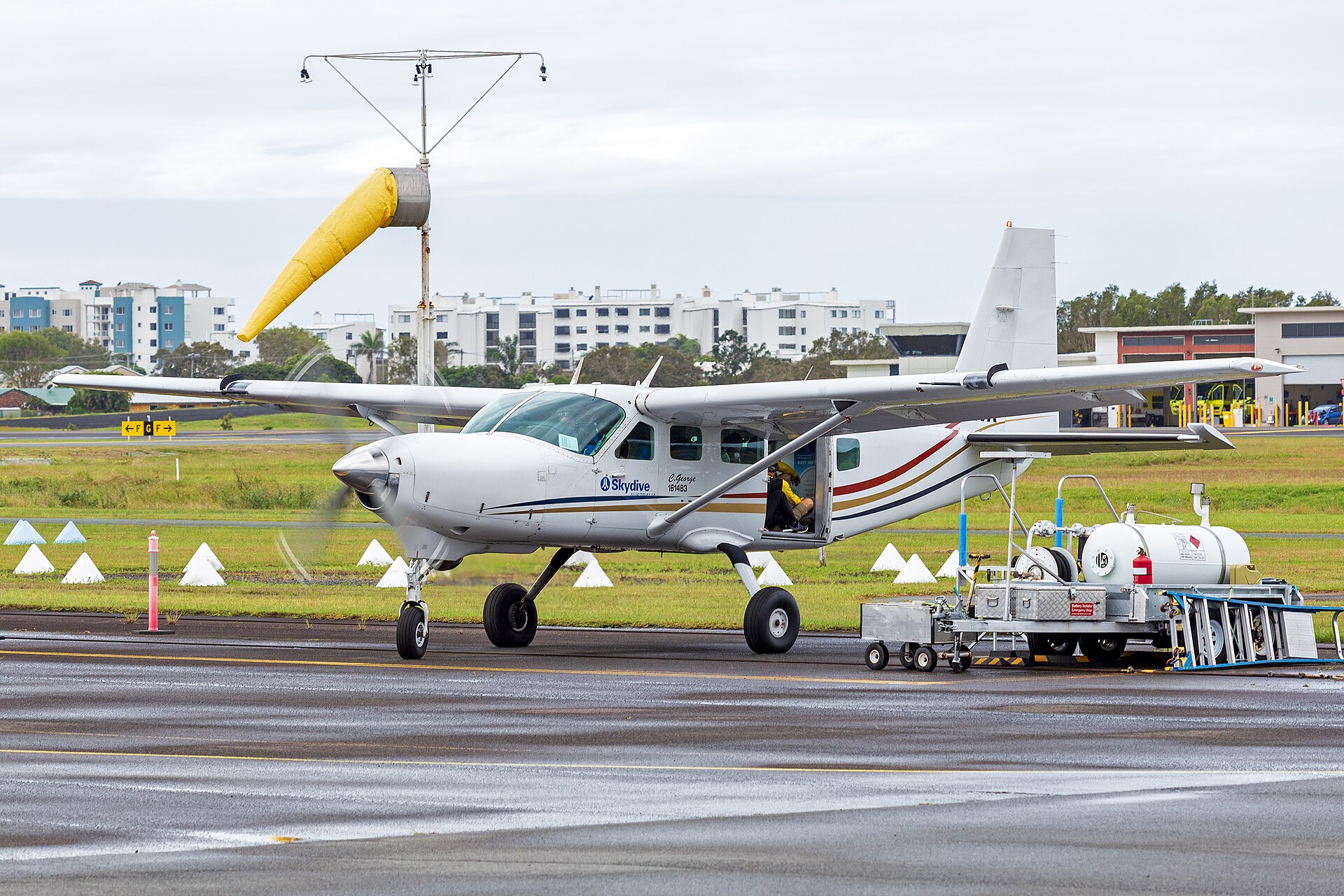
Under the eIPP, Reliable’s wholly-owned subsidiary, Reliable Airlines, will operate autonomous Cessna 208B Caravan flights from Albuquerque International Sunport (ABQ) to Durango-La Plata County Airport in Colorado (DRO) and Santa Fe Regional Airport in New Mexico (SAF).
The project was announced on March 9, 2026, as one of eight eIPP selections nationwide.
What Makes This Project Different
Most eIPP projects involve novel aircraft – eVTOLs, eSTOLs, or eCTOLs that are still working through the certification process. The Albuquerque project is different in a fundamental way: it automates an aircraft that is already certified, already operating, and already serving the exact routes in question.
The Cessna 208B Caravan is the backbone of rural air cargo in America. It flies FedEx routes, Essential Air Service passenger runs, and charter operations into airports across the Mountain West. Mechanics know it. Airports accommodate it. The infrastructure exists.
Reliable Robotics adds autonomous flight capability to this proven platform. The system includes:
- Autonomous flight controls that handle all phases of flight from takeoff to landing
- Detect and Avoid (DAA) radar integrated with the FAA’s Advanced Collision Avoidance System X (ACAS X)
- Remote monitoring by certified operators who supervise flights from the ground
- Zero airport modifications required – the aircraft uses the same runways, taxiways, and parking areas as any other Caravan
The FAA has accepted Reliable’s certification plans, and the company holds a $17.4 million Air Force contract for military autonomous cargo operations using the same platform.
The Four Corners Context
The Four Corners region – where New Mexico, Colorado, Arizona, and Utah meet – contains some of the most geographically isolated communities in the lower 48 states. The closest major medical center to many communities is hours away by road. Supply chains depend on long ground routes through mountain passes and desert highways that are vulnerable to weather, especially in winter.
The selected routes tell the story:
Albuquerque to Durango (DRO): approximately 280 miles. Durango serves La Plata County, Colorado, and the surrounding Four Corners communities. The drive takes over 4 hours through mountainous terrain. An autonomous Caravan covers it in roughly 90 minutes.
Albuquerque to Santa Fe (SAF): approximately 60 miles. A shorter route, but one that demonstrates the operational model for connecting the state’s capital with the international sunport through autonomous cargo rather than ground freight.
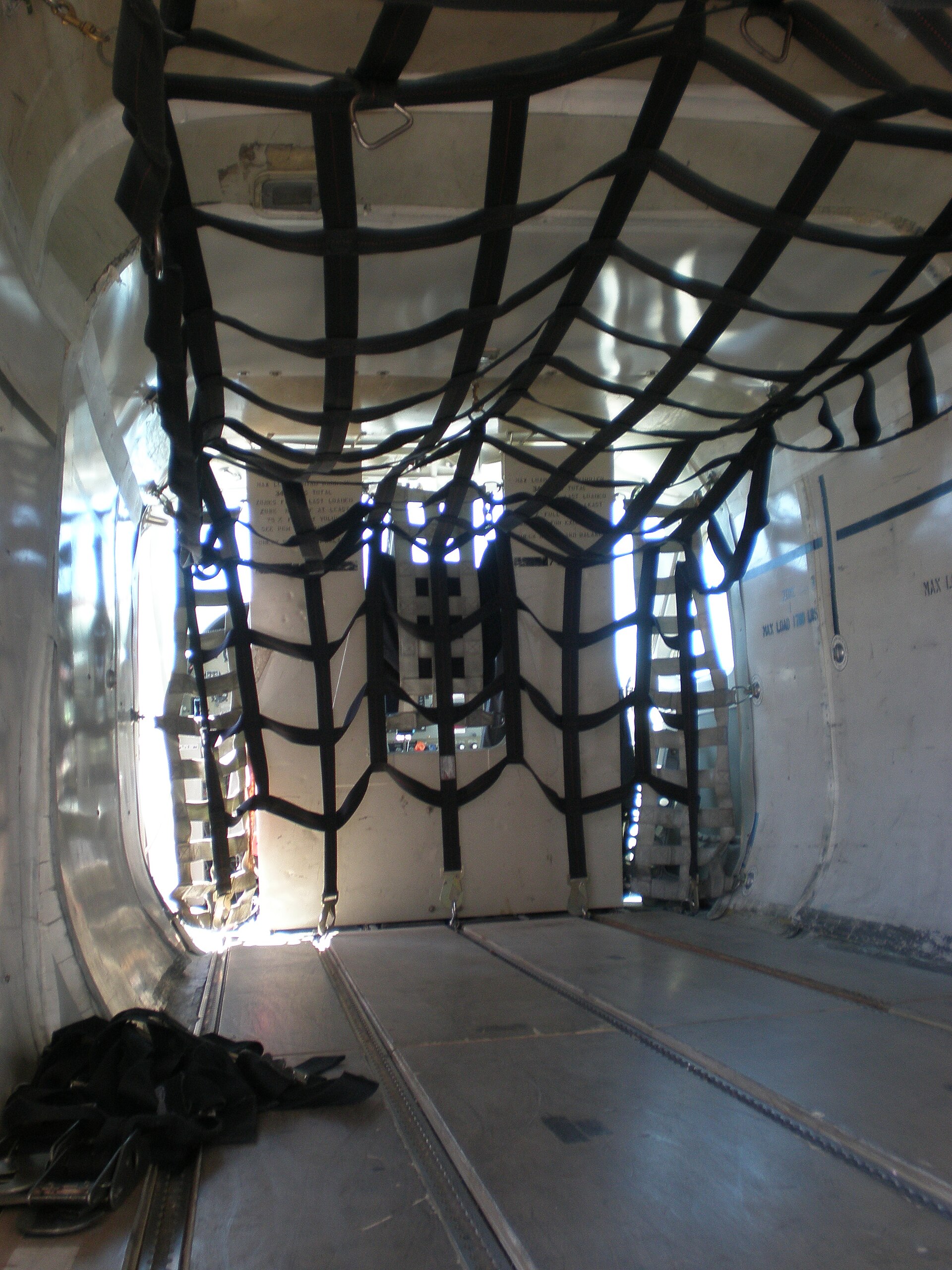
Both routes use existing airports with no modifications. The cargo – medical supplies, time-sensitive goods, and other freight – loads and unloads using standard ground handling equipment.
Why Autonomous Cargo Comes First
Reliable Robotics is not building air taxis. It is automating cargo flights on proven aircraft. This matters for several reasons:
Lower regulatory bar. Certifying autonomous operations for cargo is simpler than for passenger service. No passenger safety certification is required for the initial phase. This means faster deployment.
Immediate economic impact. Faster, more frequent cargo service directly benefits rural businesses, healthcare facilities, and supply chains without waiting for passenger aircraft certification.
Pilot shortage bypass. With North America’s pilot gap projected to peak at roughly 24,000 in 2026, autonomous cargo operations address a workforce constraint that is particularly acute for small-aircraft rural routes where pilot recruitment is hardest.
Proof of concept for passenger operations. Every successful autonomous cargo flight builds the safety data and operational confidence needed to eventually extend autonomous operations to passenger service. The cargo phase is the foundation.
What Rural Communities Should Take Away
The Albuquerque eIPP project is the most immediately deployable rural AAM concept in the program. It does not require new aircraft, new infrastructure, or new regulatory categories. It takes an aircraft that already works, on routes that already exist, and adds autonomous capability.
For rural communities in the Four Corners and beyond, the implications are direct:
- Your airport may already be compatible. If a Cessna Caravan can land there today, an autonomous Caravan can land there tomorrow.
- Cargo connectivity improves first. Medical supplies, parts, and perishable goods move faster. Passenger service follows later.
- The model is replicable. What works between Albuquerque and Durango can work between any two airports served by Caravans. The technology is not route-specific.
What to Watch
- Summer 2026: First autonomous cargo flights under the eIPP are expected within 90 days of the March 9 selection
- FAA data collection: Every flight generates safety and operational data that shapes permanent autonomous aviation regulations
- Expansion routes: Success on the initial routes could lead to additional autonomous cargo corridors across the Mountain West
The Bottom Line
The Four Corners project is not a technology demonstration. It is an operational deployment of autonomous cargo service on existing aircraft at existing airports. For rural communities that have waited for advanced air mobility to become real, this is as real as it gets.
Reliable Robotics is headquartered in Mountain View, California. Reliable Airlines is based in Albuquerque, New Mexico. More information: reliable.co