The FAA’s MOSAIC rule – Modernization of Special Airworthiness Certification – is the biggest overhaul of light aircraft regulations in two decades. Finalized in July 2025, it rewrites the rules governing sport pilot privileges and light-sport aircraft in ways that directly benefit rural communities and could accelerate the arrival of electric and hybrid-electric aircraft at small-town airports.
If you’re a rural property owner with an airstrip, a county official thinking about aviation economic development, or an AAM industry watcher tracking regulatory pathways, MOSAIC deserves your attention.
What MOSAIC Changes
MOSAIC rolled out in two phases:
Phase 1 (effective October 22, 2025): Pilot privileges. Sport pilots can now fly a dramatically wider range of aircraft. The old rules restricted sport pilots to two-seat aircraft weighing no more than 1,320 pounds. Under MOSAIC, the weight limit is gone – replaced by a stall speed limit of 54 knots. This single change opens up roughly three-quarters of the general aviation fleet to sport pilots, including many four-seat aircraft.
Sport pilots can also now:
- Fly aircraft with retractable landing gear
- Fly aircraft with controllable-pitch propellers
- Carry up to three passengers (in qualifying four-seat aircraft)
- Operate in Class G airspace with expanded privileges
- Perform their own condition inspections (with training)
Phase 2 (effective July 24, 2026): Airworthiness. The second phase overhauls how light-sport aircraft are designed, built, and certified. Aircraft issued special airworthiness certificates after this date will be categorized as “light-sport category aircraft” under new industry consensus standards. The performance-based approach (stall speed, not weight) allows manufacturers far more design flexibility.
Why This Matters for Rural Aviation
Rural airports are overwhelmingly general aviation facilities. They serve private pilots, agricultural operators, and the occasional charter flight. Many have seen declining traffic for years as the pilot population has aged and the cost of flying has risen.
MOSAIC attacks both problems:
Lower barriers to entry. The sport pilot certificate requires fewer training hours than a private pilot certificate, no medical exam (a driver’s license suffices), and lower overall cost. By expanding what sport pilots can fly, MOSAIC makes flying accessible to more people – and more useful. A sport pilot who can carry three passengers and fly a four-seat aircraft can use aviation for practical transportation, not just recreation.
For rural communities where the nearest commercial airport may be two hours away, more licensed pilots flying more capable aircraft means better local access.
Reviving rural flight training. Flight schools at rural airports have been struggling. MOSAIC is expected to drive increased demand for sport pilot training in 2026 and beyond, as the expanded privileges make the sport pilot certificate a more attractive option. More students at local flight schools means more economic activity at rural airports.
Opening the door for electric aircraft. This is where MOSAIC connects to the broader AAM story. The shift from weight-based to performance-based standards (stall speed) is tailor-made for electric and hybrid-electric aircraft, which tend to be heavier than conventional aircraft of similar size due to battery weight.
Under the old 1,320-pound light-sport limit, most electric aircraft were automatically excluded. Under MOSAIC’s stall-speed standard, an electric aircraft that flies slowly enough can qualify as light-sport category – regardless of weight. This creates a certification pathway for electric trainers, personal aircraft, and potentially some eSTOL designs that would have been impossible under the old rules.
The eSTOL Connection
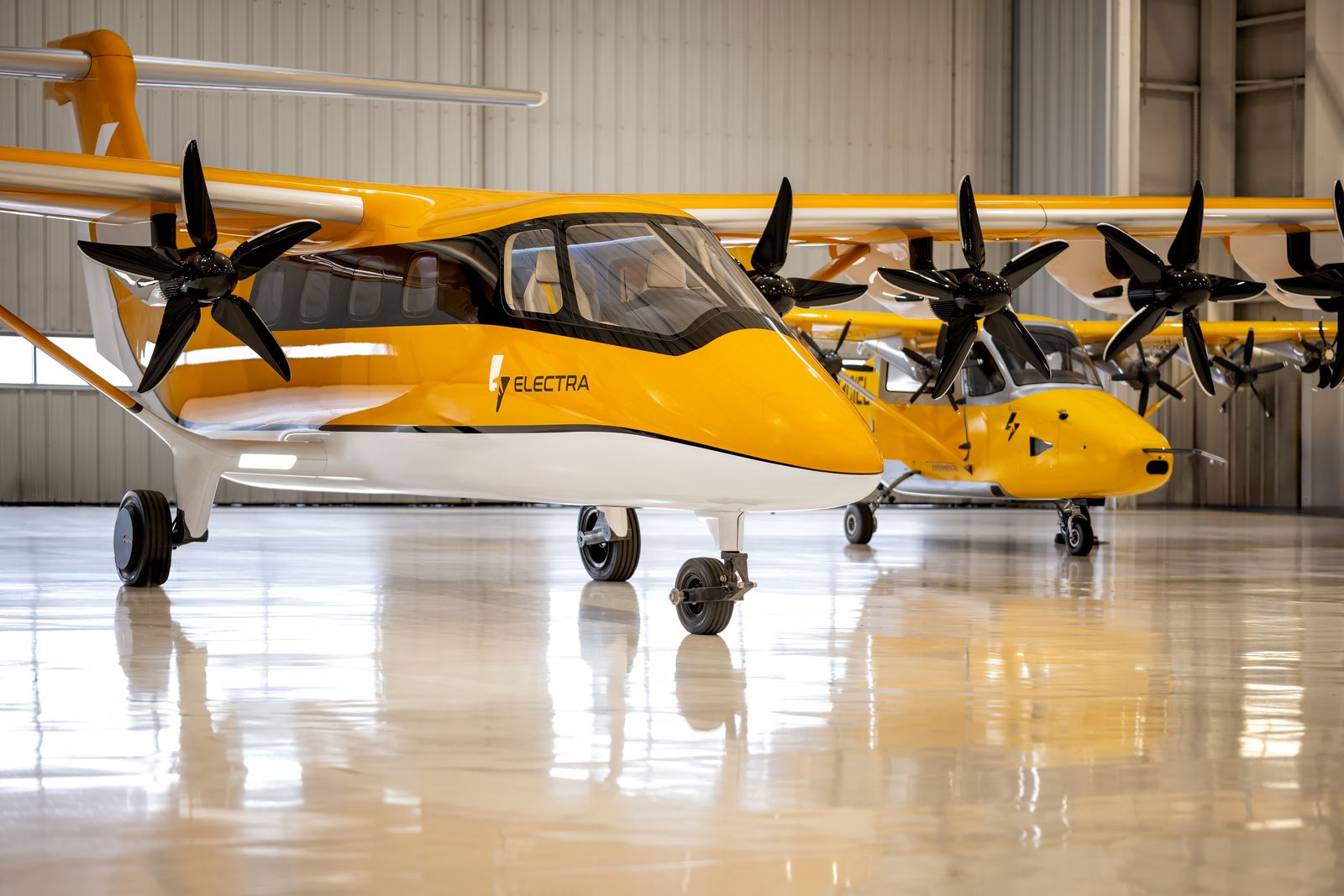
eSTOL (electric short takeoff and landing) aircraft are designed to fly at very low speeds – Electra’s eSTOL has demonstrated takeoffs at 25 knots. While the current production eSTOL aircraft being developed are generally pursuing standard FAA type certification (Part 23), MOSAIC establishes a regulatory environment that’s friendlier to innovative aircraft designs in the light-sport space.
More importantly, MOSAIC’s pilot privilege expansion means more sport pilots will be qualified to fly aircraft that operate from the same short rural runways where eSTOL aircraft will eventually land. A growing pool of trained pilots at rural airports creates the workforce infrastructure that eSTOL operators will need.
Implications for Rural Property Owners
If you own rural property with a private airstrip, MOSAIC may have increased its utility:
- More aircraft types can now legally operate from your strip under sport pilot authority
- Four-seat aircraft with passengers are now viable for sport pilots, making your strip usable for practical transportation
- The coming wave of electric and hybrid-electric light aircraft will need places to land and charge – private strips in rural areas could fill that need
If you’ve been maintaining an airstrip primarily for personal use, MOSAIC gives you reason to think about its broader potential – whether that’s hosting visiting pilots, supporting local flight training, or eventually serving as a node in an electric aviation charging network.
Implications for Rural Airports and Communities
For publicly owned rural airports, MOSAIC creates opportunities:
Increased traffic. More sport pilots flying more capable aircraft should translate to more operations at small airports – more fuel sales, more hangar rentals, more tie-down fees.
Flight school growth. The expanded sport pilot certificate is expected to draw new students. Rural airports with flight schools should be marketing MOSAIC-enabled training options.
Electric aircraft readiness. The airports that install electric aircraft charging infrastructure early will attract the first wave of electric aircraft operators. BETA Technologies’ Charge Cube is one available option, and several states offer grants for airport infrastructure improvements.
Workforce development. MOSAIC’s expanded repairman certificates allow more people to perform maintenance on light-sport aircraft. Rural communities could develop aircraft maintenance training programs aligned with the new rules.
What to Watch
July 24, 2026: The airworthiness phase of MOSAIC takes effect. This is when new light-sport category aircraft can be certified under the new standards. Watch for announcements from electric aircraft manufacturers seeking certification under these provisions.
Flight school enrollment trends: If MOSAIC drives the training boom that industry expects, rural airports with active flight schools will be the first to feel it.
State incentives: Some states may offer grants or tax incentives to support MOSAIC-aligned airport improvements. Monitor your state DOT aviation division for programs.
Electric aircraft charging deployments: Track where charging infrastructure is being installed. The airports that get chargers first will be best positioned for the electric aviation transition.
The Big Picture
MOSAIC isn’t about advanced air mobility directly. It’s a general aviation rule that modernizes a 20-year-old regulatory framework. But its effects ripple into the AAM world in important ways: it makes flying more accessible, it makes rural airports more viable, and it creates regulatory space for electric aircraft that didn’t exist before.
For rural communities, the message is simple: more people can fly, more aircraft types can operate at your airports, and the pathway for electric aviation just got smoother. That’s a trifecta worth planning for.