The vast landscapes of rural America, often characterized by long distances and limited infrastructure, have long presented unique challenges for critical logistics and delivery services. Traditional methods, relying on ground transportation, can be slow, costly, and inefficient in reaching remote communities. However, the advent of Advanced Air Mobility (AAM) is poised to revolutionize these services, offering faster, more reliable, and more sustainable solutions.
At the forefront of this transformation is Jaunt Air Mobility, a company developing innovative eVTOL (electric vertical take-off and landing) aircraft. Their Journey aircraft, powered by patented Slowed Rotor Compound (SRC) technology, is engineered for operational reality, capable of carrying significant payloads over long distances with low noise profiles. Jaunt’s focus on dual-use autonomous VTOL aircraft, particularly their hybrid cargo variant, directly addresses the need for heavy-lift logistics in demanding environments, including those found in rural settings. With plans for certification and service entry anticipated in the coming years, Jaunt’s technology could redefine how goods are delivered to and within remote regions.
Major logistics players are also exploring and implementing solutions to better serve rural communities. USPS continues to adapt its extensive network, leveraging its mandate and infrastructure for cost-effective, broad coverage, especially in rural areas. Recent strategies focus on optimizing last-mile delivery and expanding carrier support to maintain stability during peak periods, with efforts to save billions annually through efficiency improvements. While facing challenges like rural carrier pay structures, the USPS remains integral to connecting remote populations.
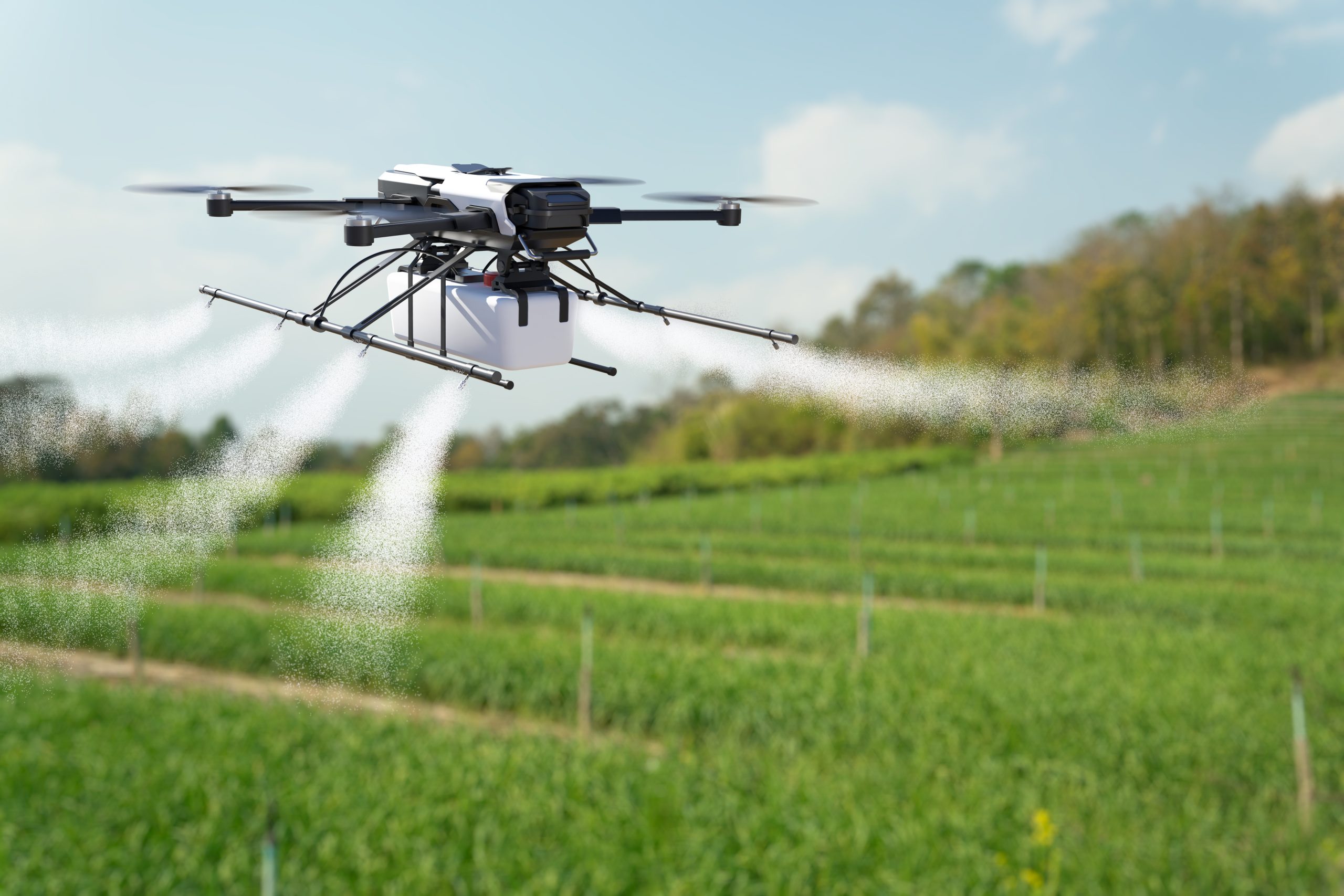
UPS, through its Flight Forward program, is actively investing in drone technology to enhance delivery capabilities. Their partnerships and pilot programs, including explorations in rural areas and medical deliveries, demonstrate a commitment to integrating autonomous aerial systems for faster, more efficient logistics. UPS sees the potential for eVTOLs to benefit healthcare providers and businesses in smaller communities, complementing their existing infrastructure.
FedEx is also at the forefront, testing autonomous cargo systems like Elroy Air’s Chaparral. This hybrid-electric VTOL aircraft is designed for autonomous pick-up and delivery of significant cargo over long distances, directly addressing the need for efficient middle-mile logistics and reconnecting rural communities. FedEx’s experiments with autonomous vehicles have shown reductions in last-mile costs and faster deliveries, with a clear focus on expanding service to areas traditionally underserved by ground transportation.
The convergence of AAM innovation, spearheaded by companies like Jaunt Air Mobility, and the strategic adaptations of established giants like USPS, UPS, and FedEx, signals a new era for rural logistics. As eVTOL technology matures and regulatory frameworks evolve, these advancements promise to bridge the physical gaps in our transportation networks, ensuring that even the most remote communities have access to timely and efficient delivery services.