Rural Air Mobility Moves From Forecasts to Field Tests
This week brought a sharper picture of where rural AAM will start: state-backed deployments, existing airports, distributed infrastructure, and drones that can work beyond the city edge.
This week brought a sharper picture of where rural AAM will start: state-backed deployments, existing airports, distributed infrastructure, and drones that can work beyond the city edge.
Five developments from August 10-14 show AAM moving from demonstrations toward the rural systems that make service possible.
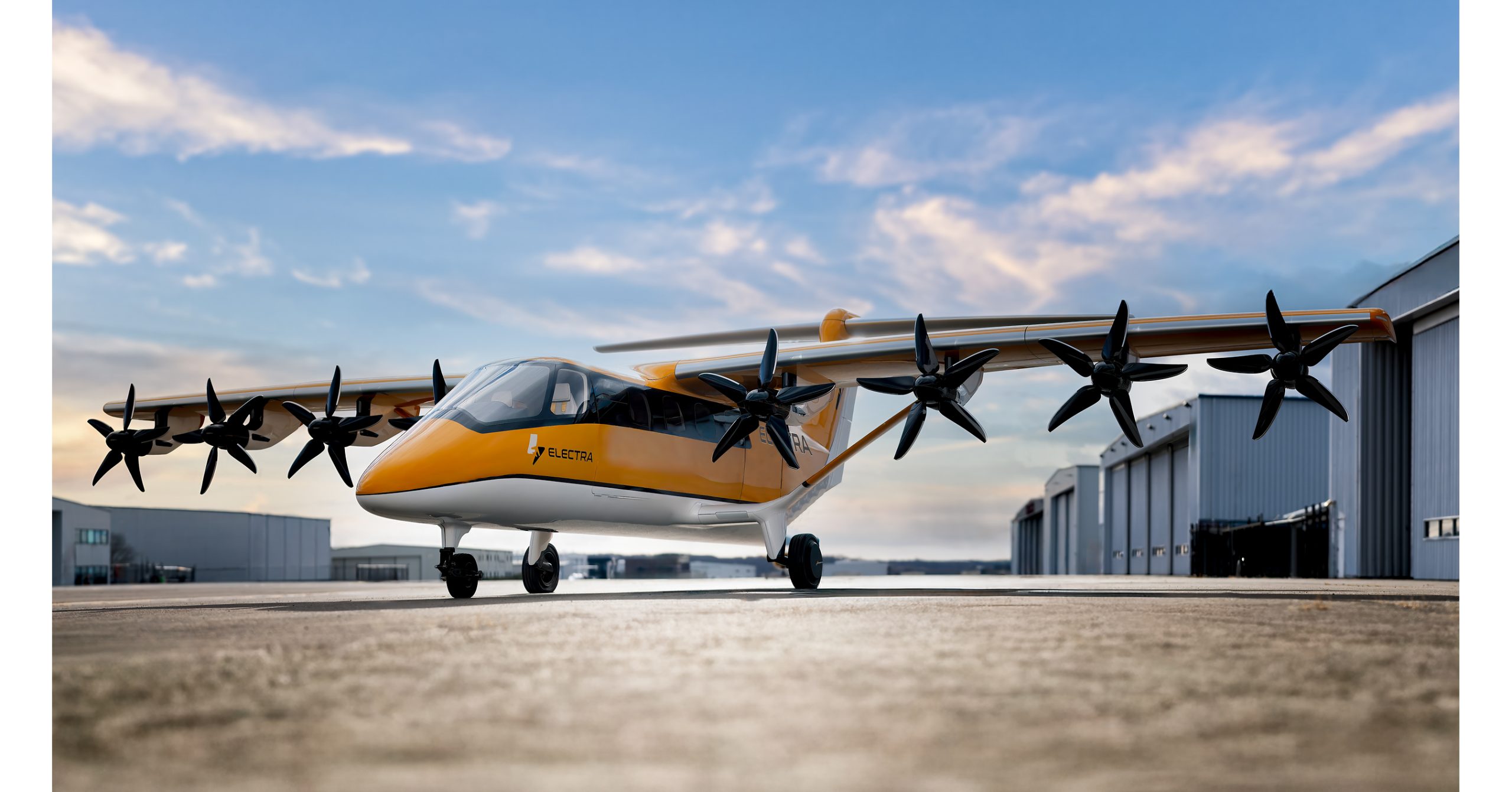
From the first eIPP organ-transport flights to a landmark hybrid-electric eSTOL certification roadmap, the week of July 11, 2026, represents a major shift toward real-world operations in rural airspace.
This week brought practical signals for rural air mobility: more rulemaking time, more test infrastructure, and more proof that drone operations are moving beyond pilots.
FAA infrastructure, BVLOS pressure, utility drones, and local planning all pointed toward a more practical phase for rural air mobility.
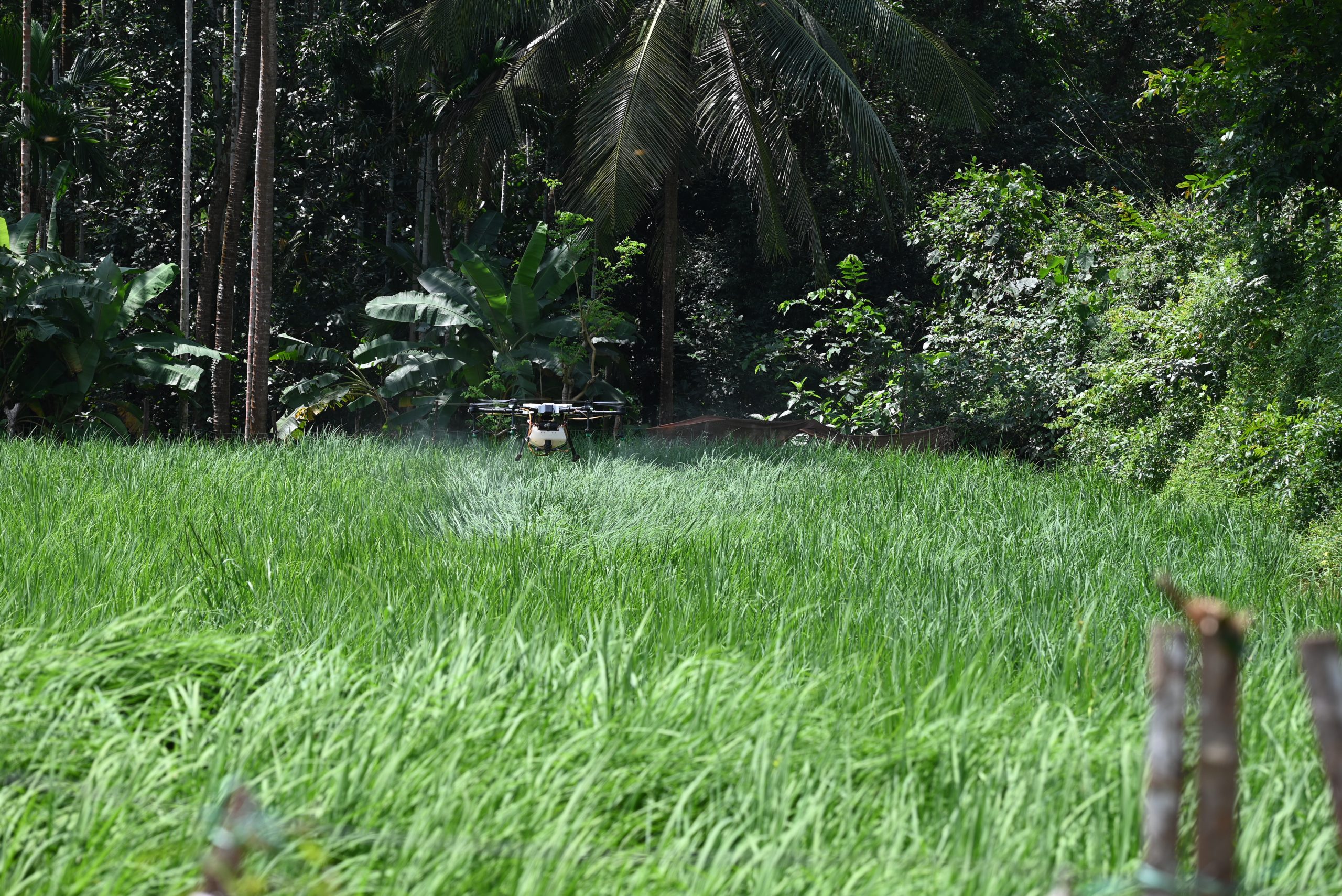
This week showed where advanced air mobility is becoming practical first: organ transport, drone delivery, regional planning, agriculture, and longer-range aircraft testing.
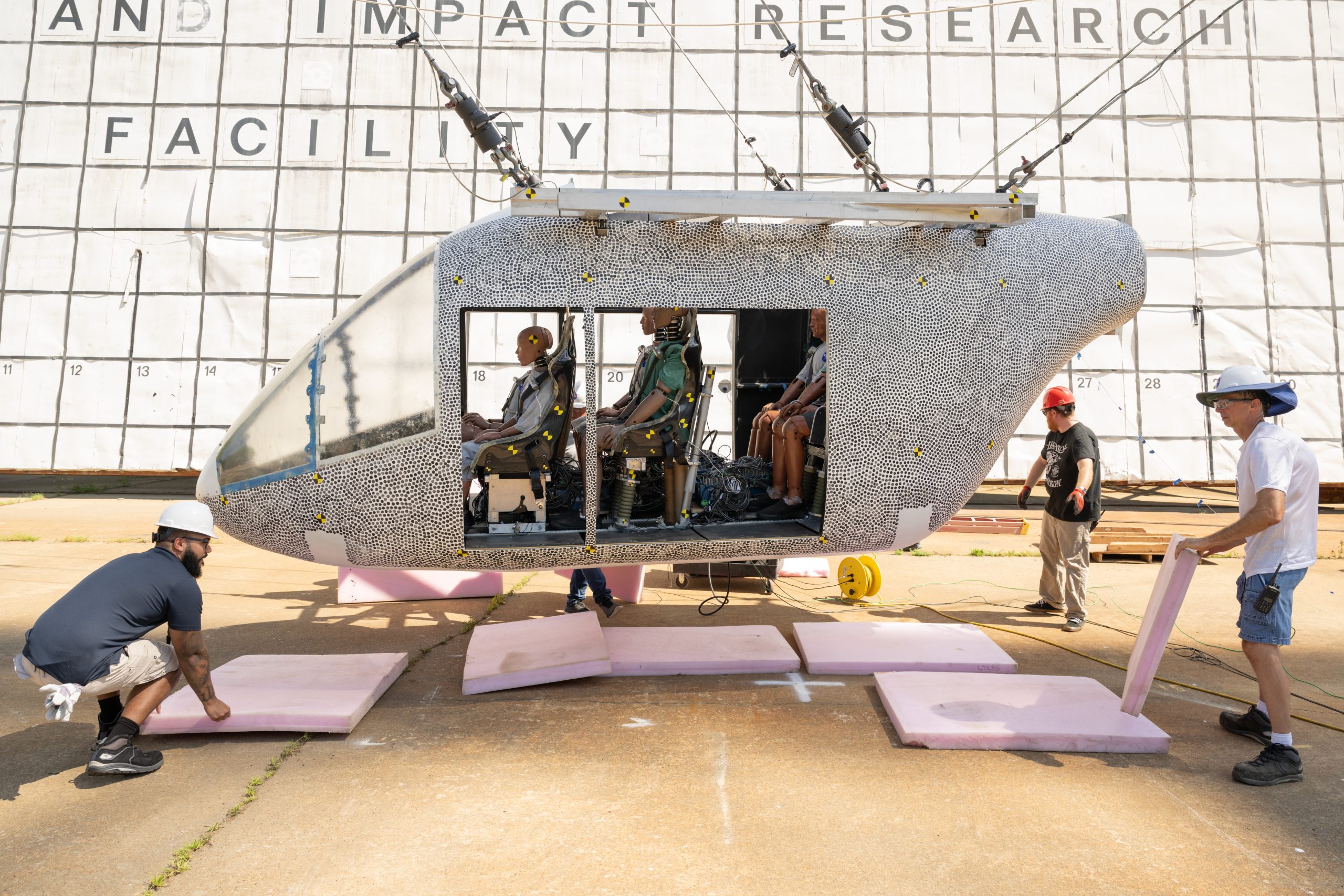
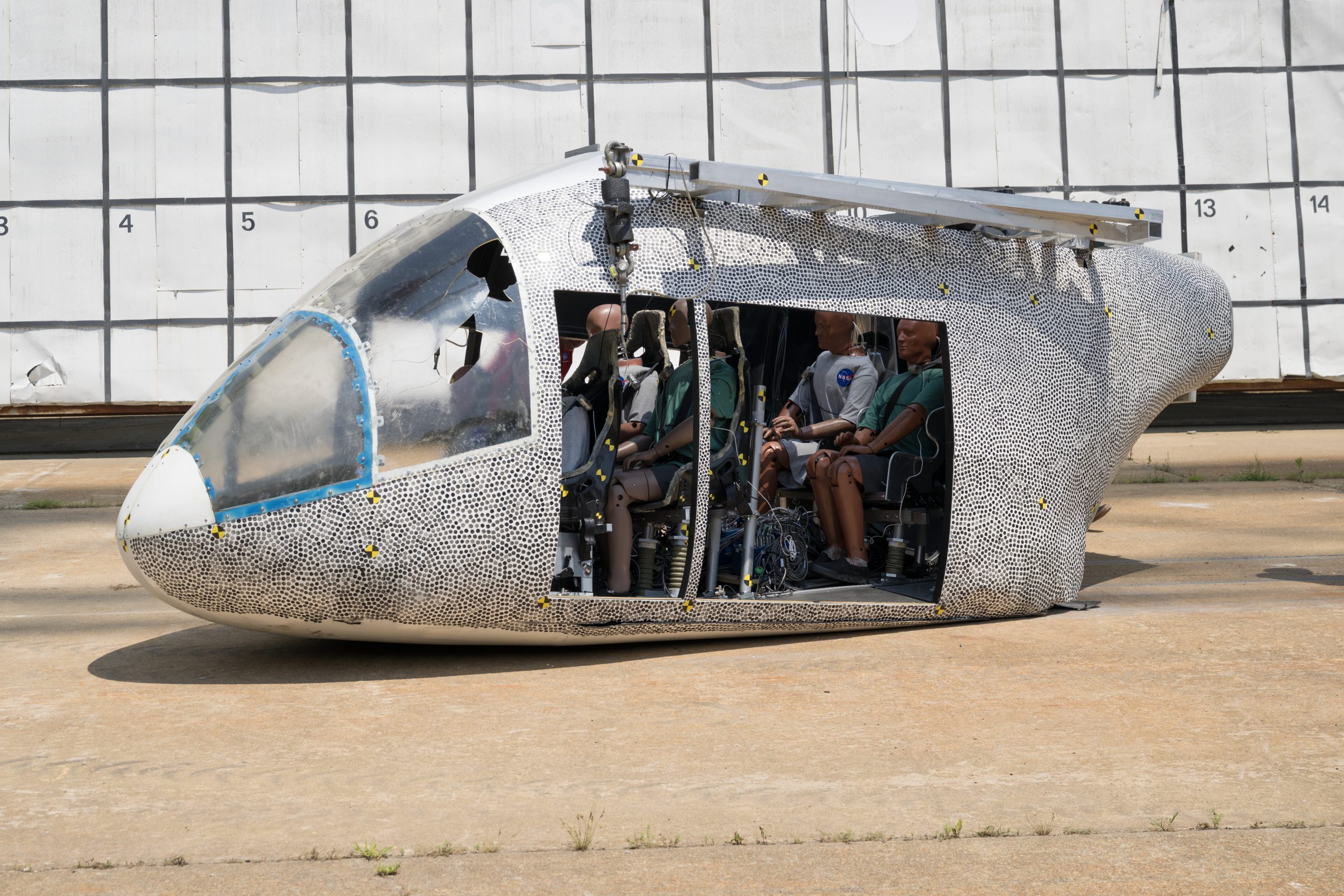
FAA pilot-program flexibility, BVLOS compliance pressure, portable vertiports, drone supply-chain approvals, and hybrid-electric aircraft testing all point to a more practical – but more regulated – rural AAM market.
Regulatory strides, vertiport plans, and industry milestones — what it means for rural communities.